
Free shipping on UK orders over £99
We provide free shipping for UK based customers on orders over £99

Dedicated customer support
Please contact us on +44 (0) 3301 741396 or sales@pronailers.co.uk









Frequently Asked Questions
What should I consider when choosing cordless fastening tools for professional work?
The best cordless solution depends on the materials being fixed, the frequency of use, and the working conditions on site. Battery runtime, charging speed, and overall tool ergonomics can have a significant impact on daily productivity. It is also important to ensure the equipment is compatible with the fixings required for your applications. Choosing equipment designed for professional workloads can help improve reliability and reduce downtime.
How do nailing tools help improve productivity on construction and woodworking projects?
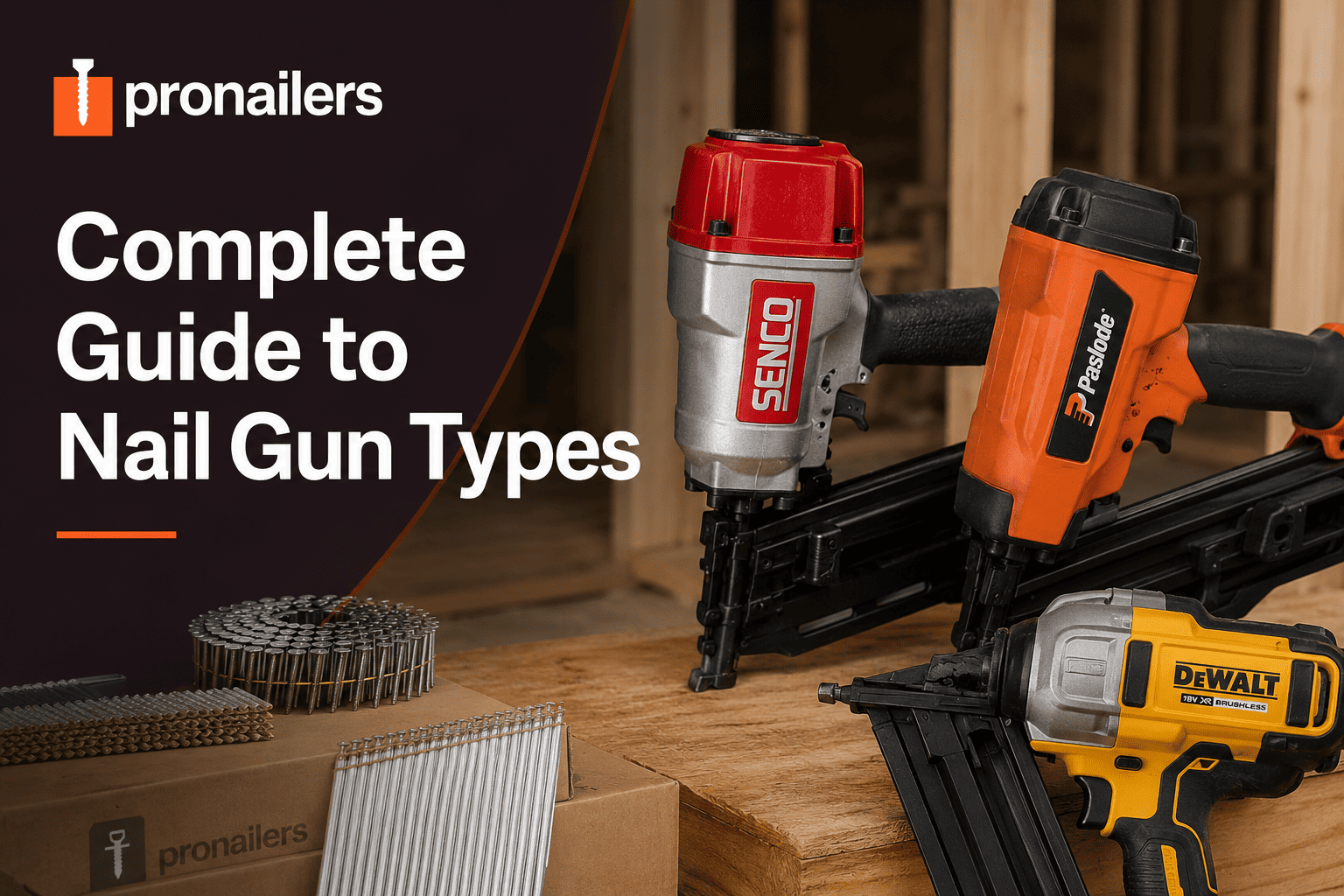
Professional nailing equipment allows users to complete fastening tasks more quickly and consistently than manual methods. Accurate placement and controlled driving performance help reduce errors and improve the overall finish of the work. Many models are designed to support high-volume applications without compromising precision. This can lead to faster project completion and more efficient use of labour resources.
When is automated fastening equipment the best choice for a business?
Automated systems are particularly valuable when large numbers of fixings need to be installed repeatedly and accurately. They can help standardise processes, improve consistency, and reduce the physical demands placed on operators. Businesses involved in manufacturing, assembly, or repetitive installation work often benefit from greater efficiency and predictable results. The suitability of a system depends on production volumes, materials, and operational requirements.
What are the advantages of using specialised stapling tools instead of general-purpose equipment?
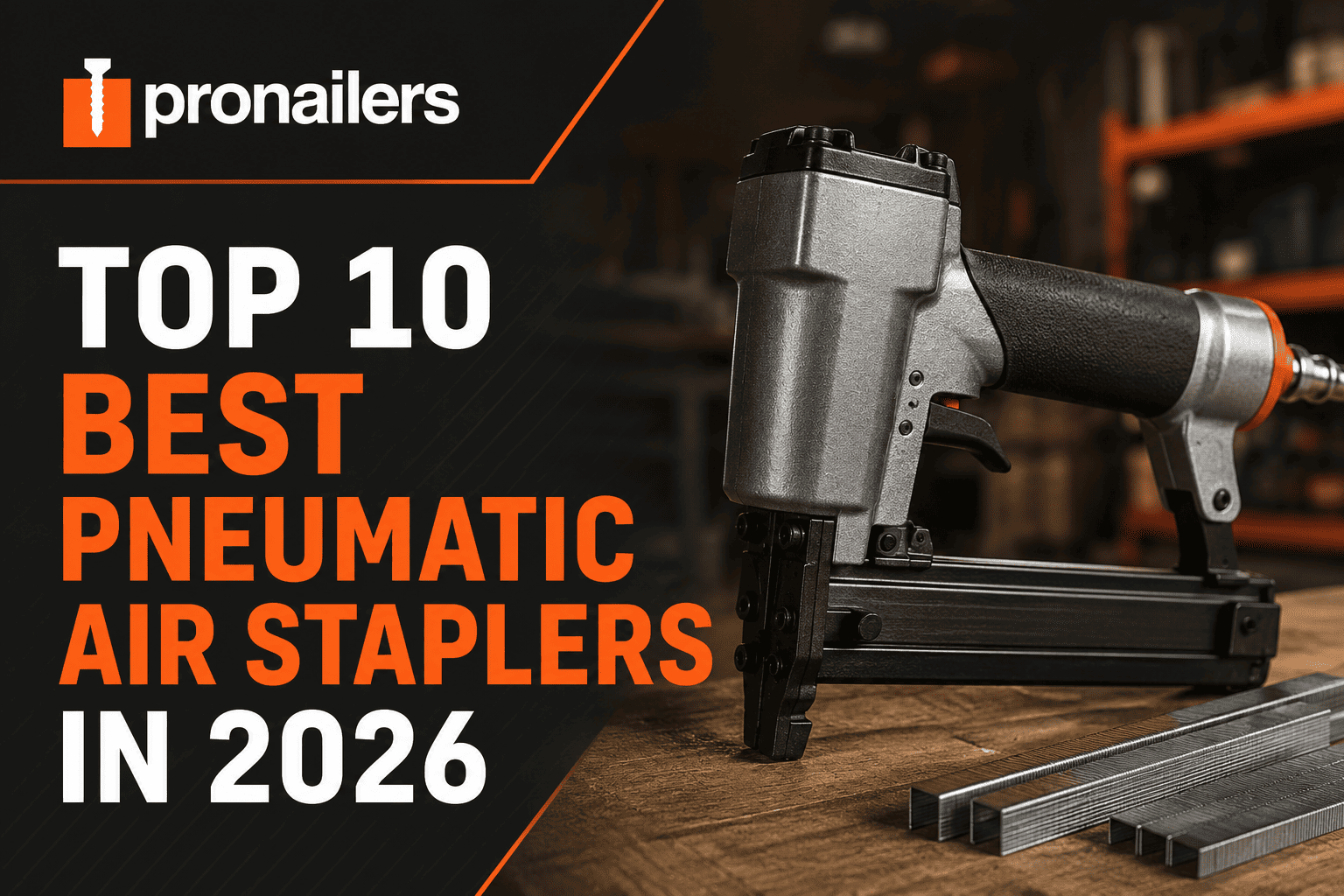
Specialised stapling equipment is engineered to perform specific fastening tasks with greater precision and reliability. Different materials often require unique staple configurations, driving characteristics, and handling features. Using equipment designed for the intended application can improve fastening performance while helping to minimise material damage. It can also contribute to more consistent results across larger projects.
How can companies choose the right fastening equipment for different projects?
Selecting the right equipment starts with understanding the materials, fixing requirements, and site conditions involved in the job. Factors such as fastening size, access restrictions, expected workload, and power source preferences should all be considered. Equipment that closely matches the demands of the application will generally deliver better performance and efficiency. Taking the time to evaluate project requirements can help businesses achieve more reliable and cost-effective results.
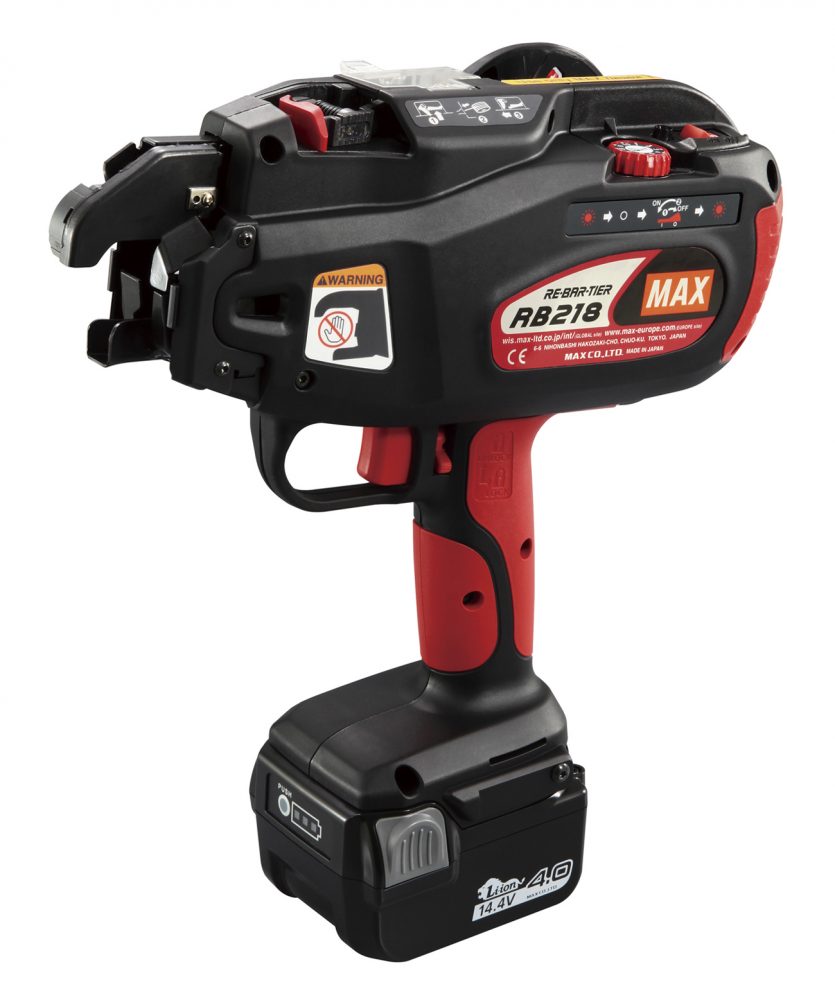
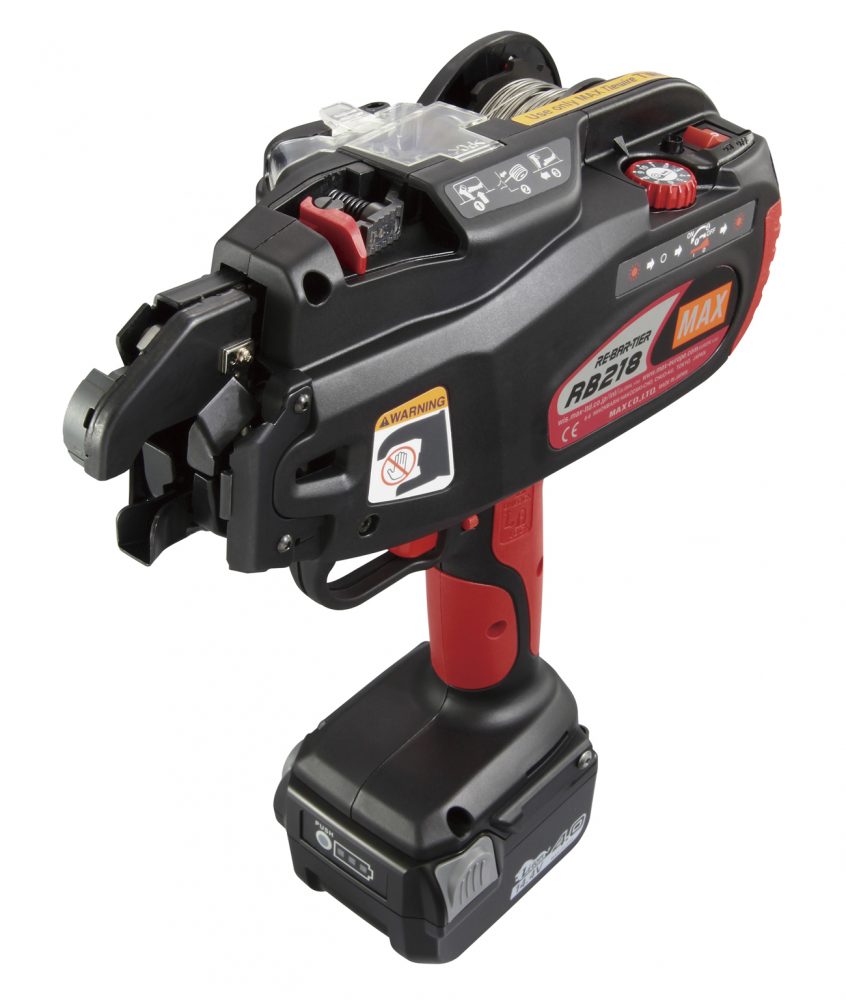
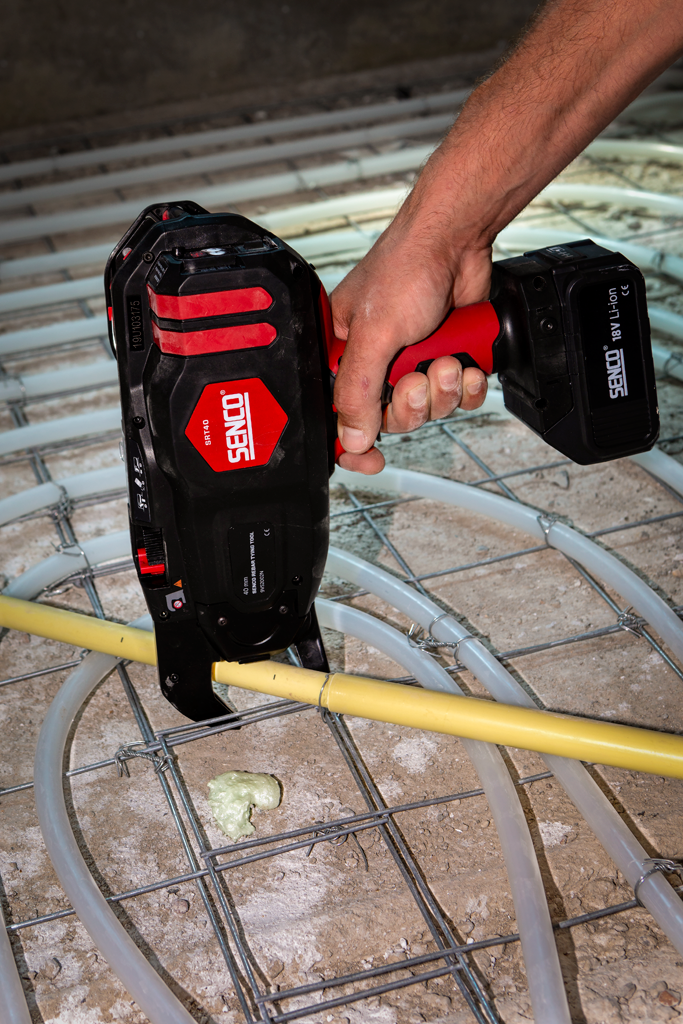
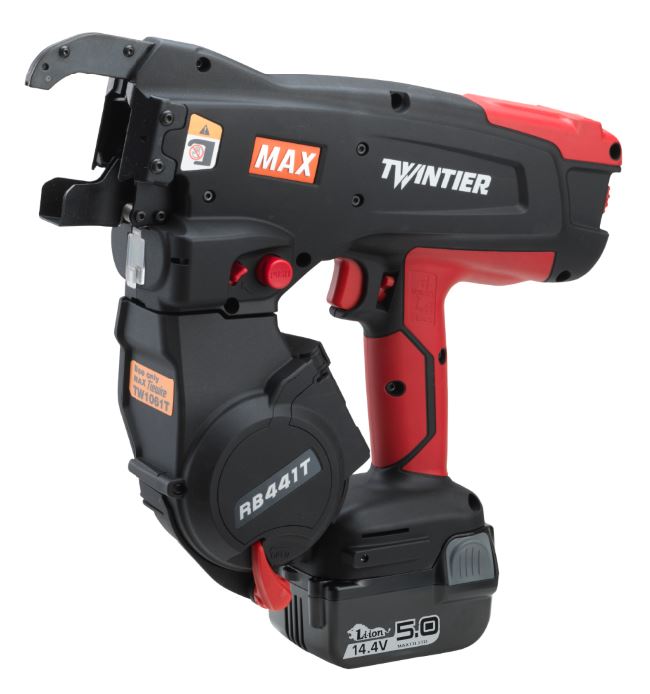
ProNailers is a specialist fastening company supplying industrial nailing, stapling and rebar tools and equipment to professionals across construction, joinery, manufacturing and maintenance. From high-performance nailers to precision hand tools, our range is built to deliver reliability, speed and consistent results on every job.
We focus on industrial fastening tools and equipment, carefully selected to meet the real demands of site and workshop use.
Complete Fastening Solutions
Whether you’re fixing structural timber, installing finishes or working on specialist applications, ProNailers provides the right tools for the task:
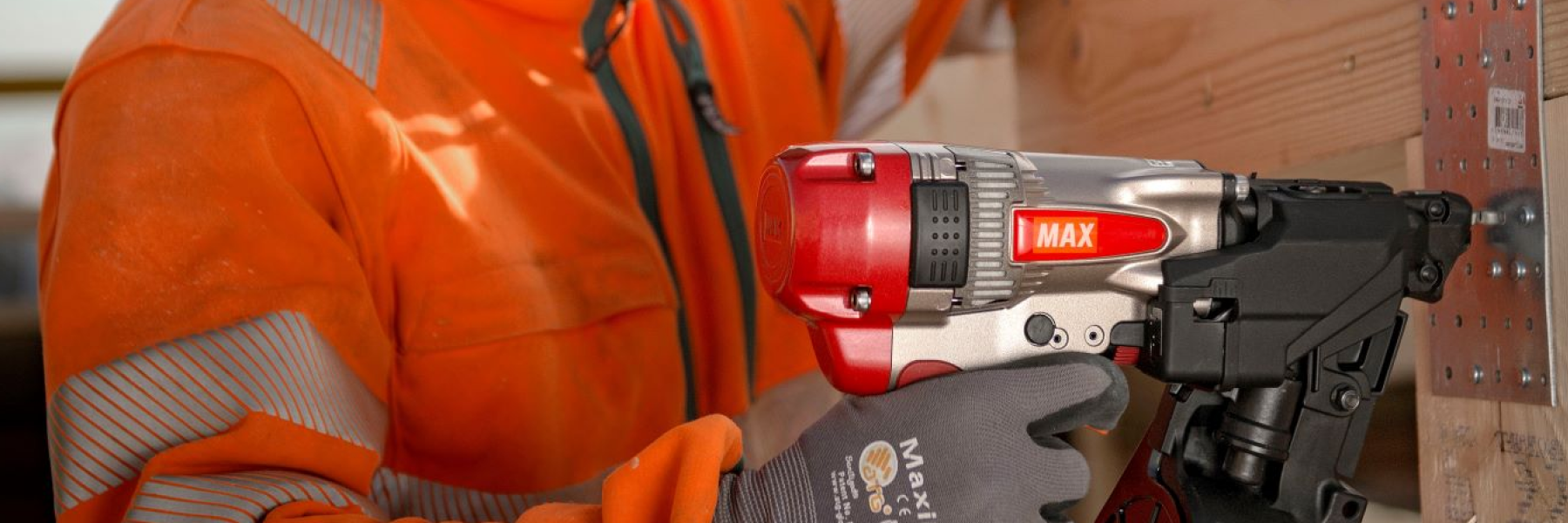
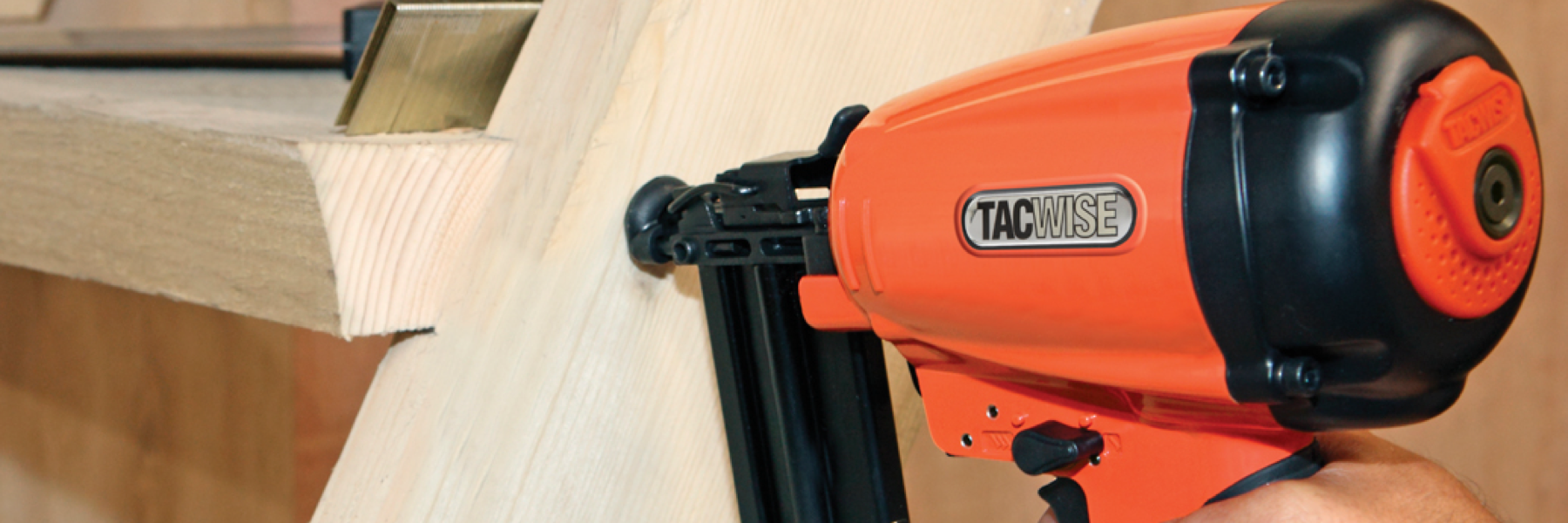
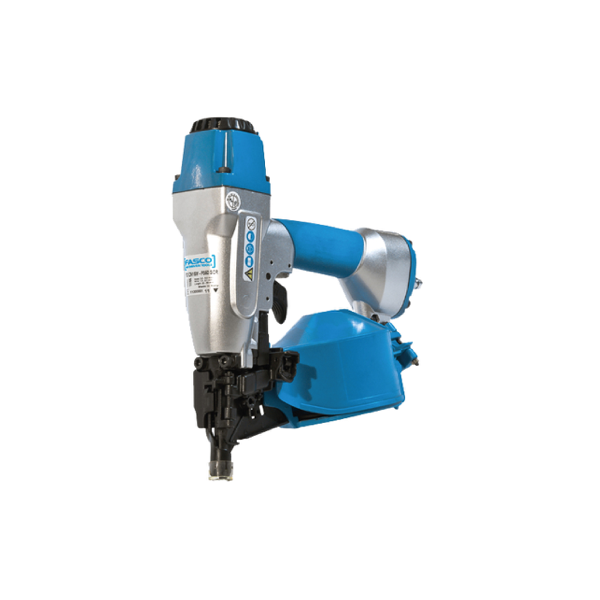
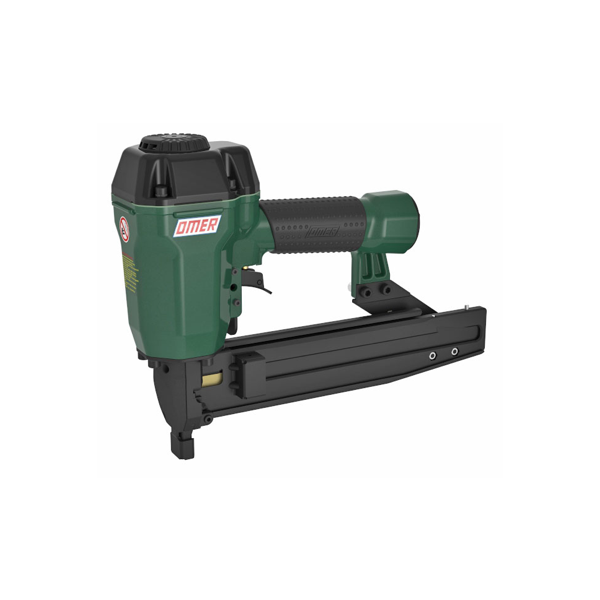
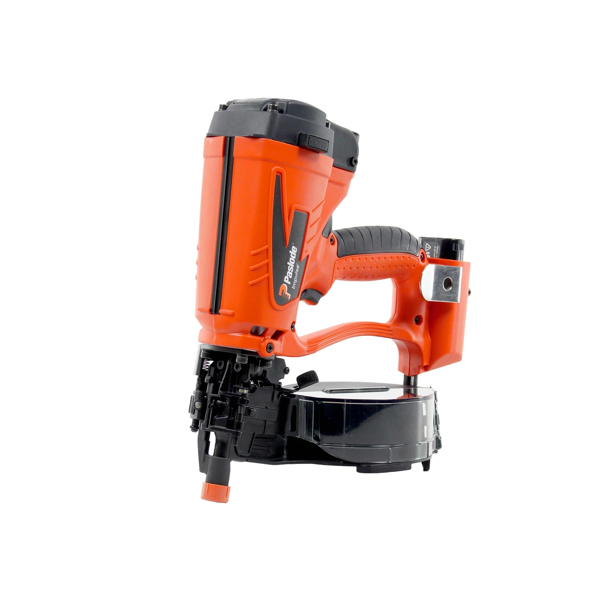
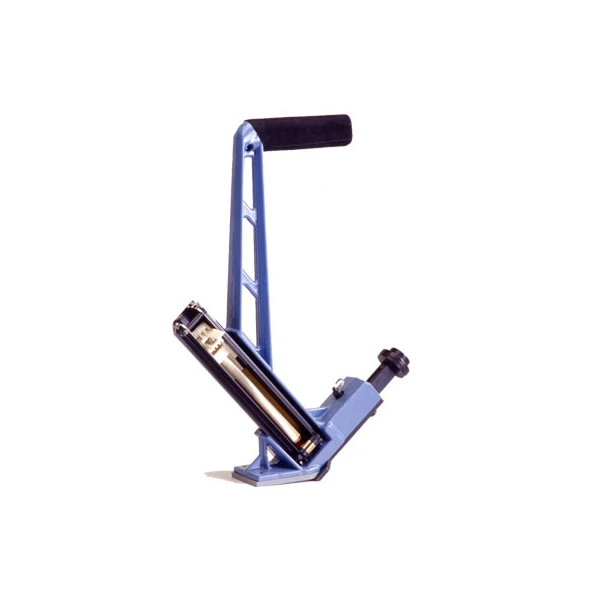
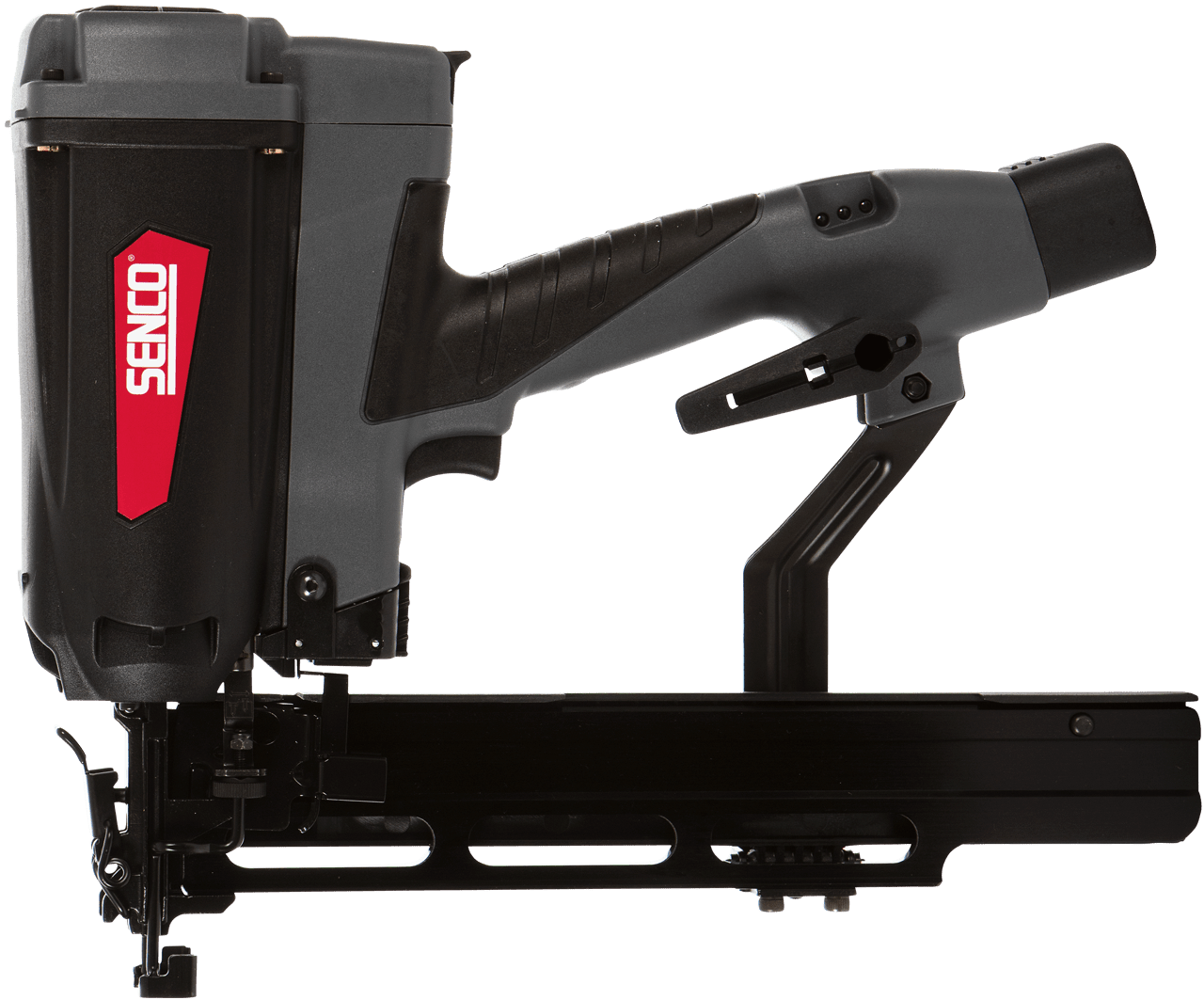
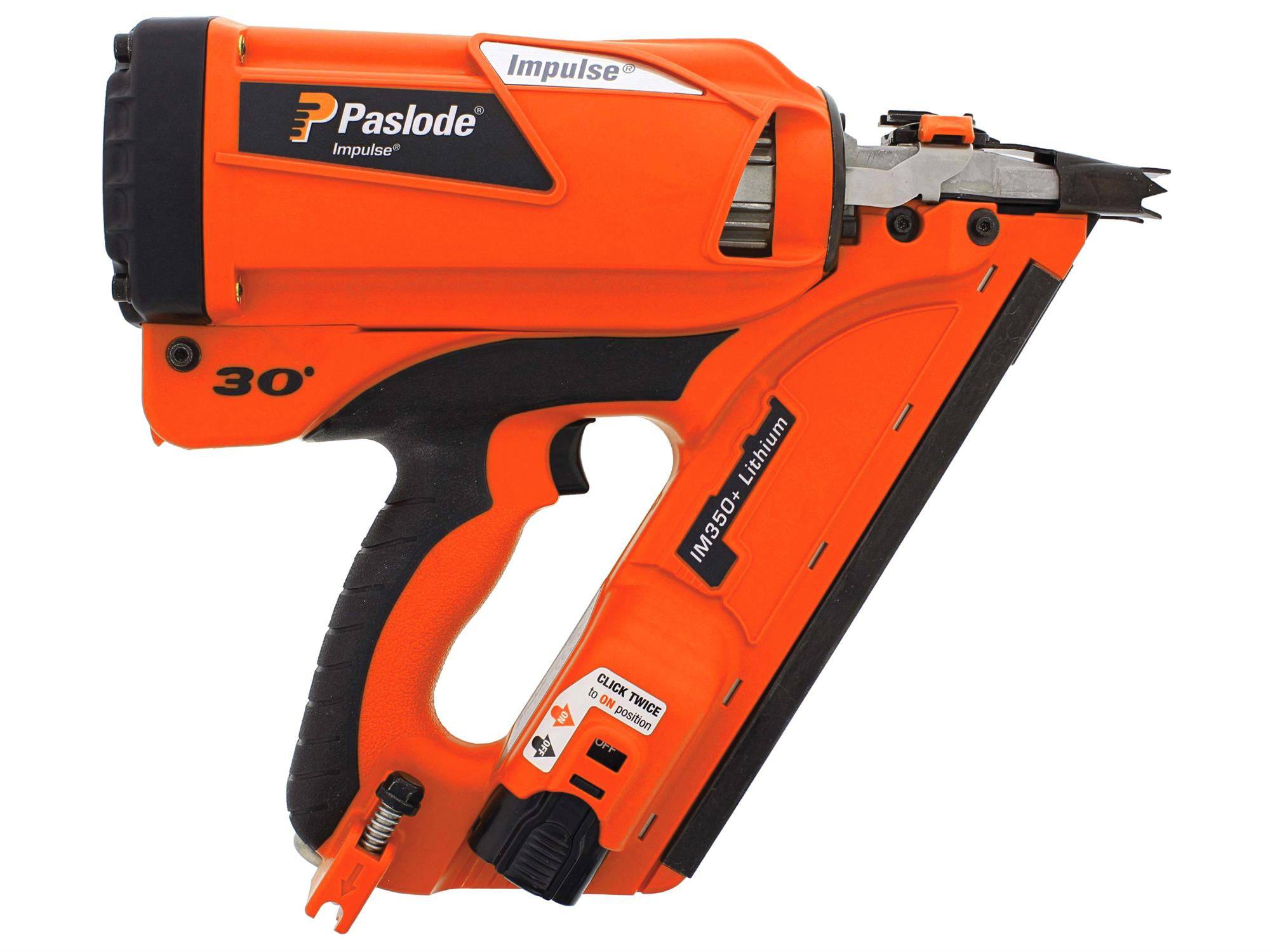
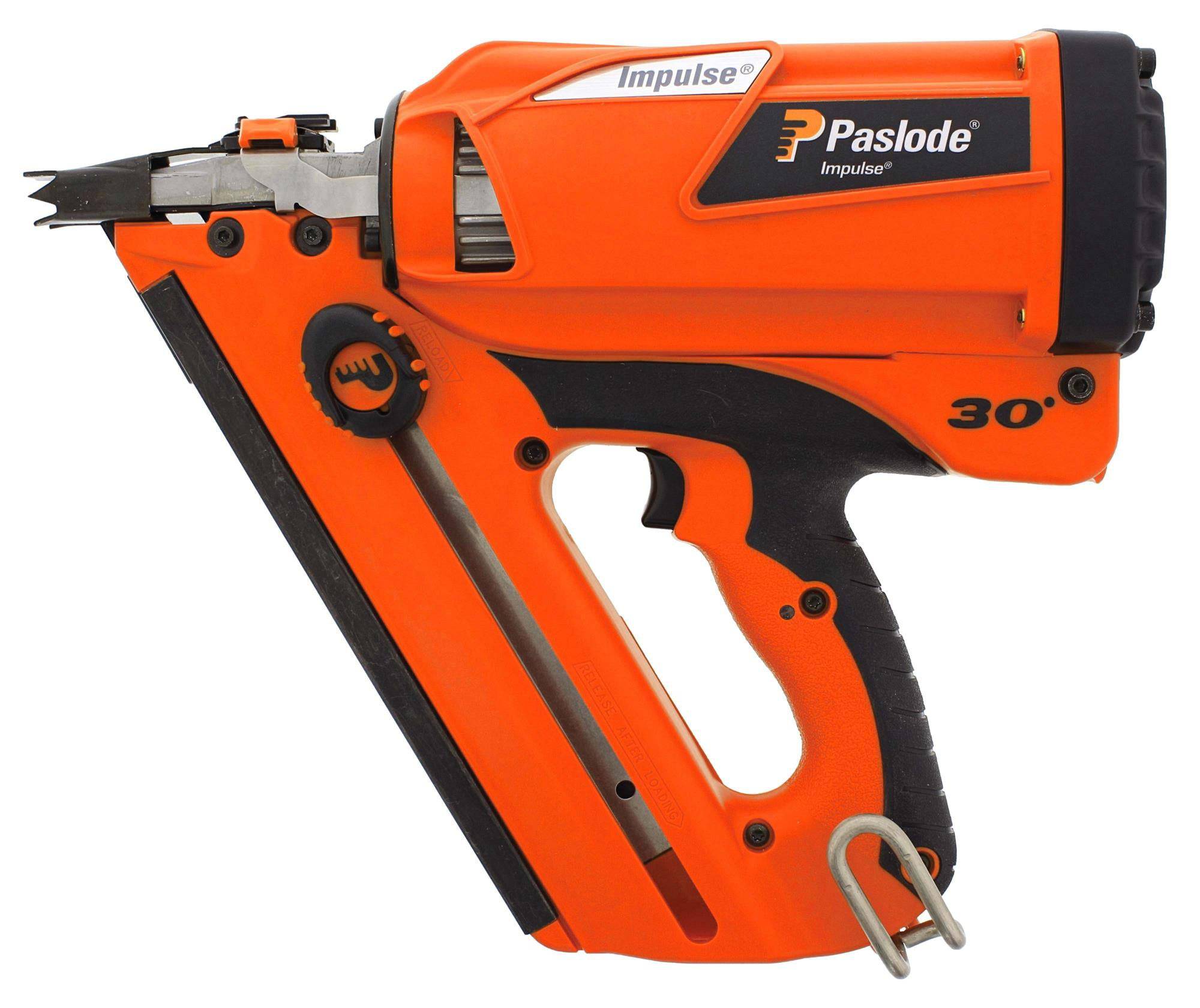
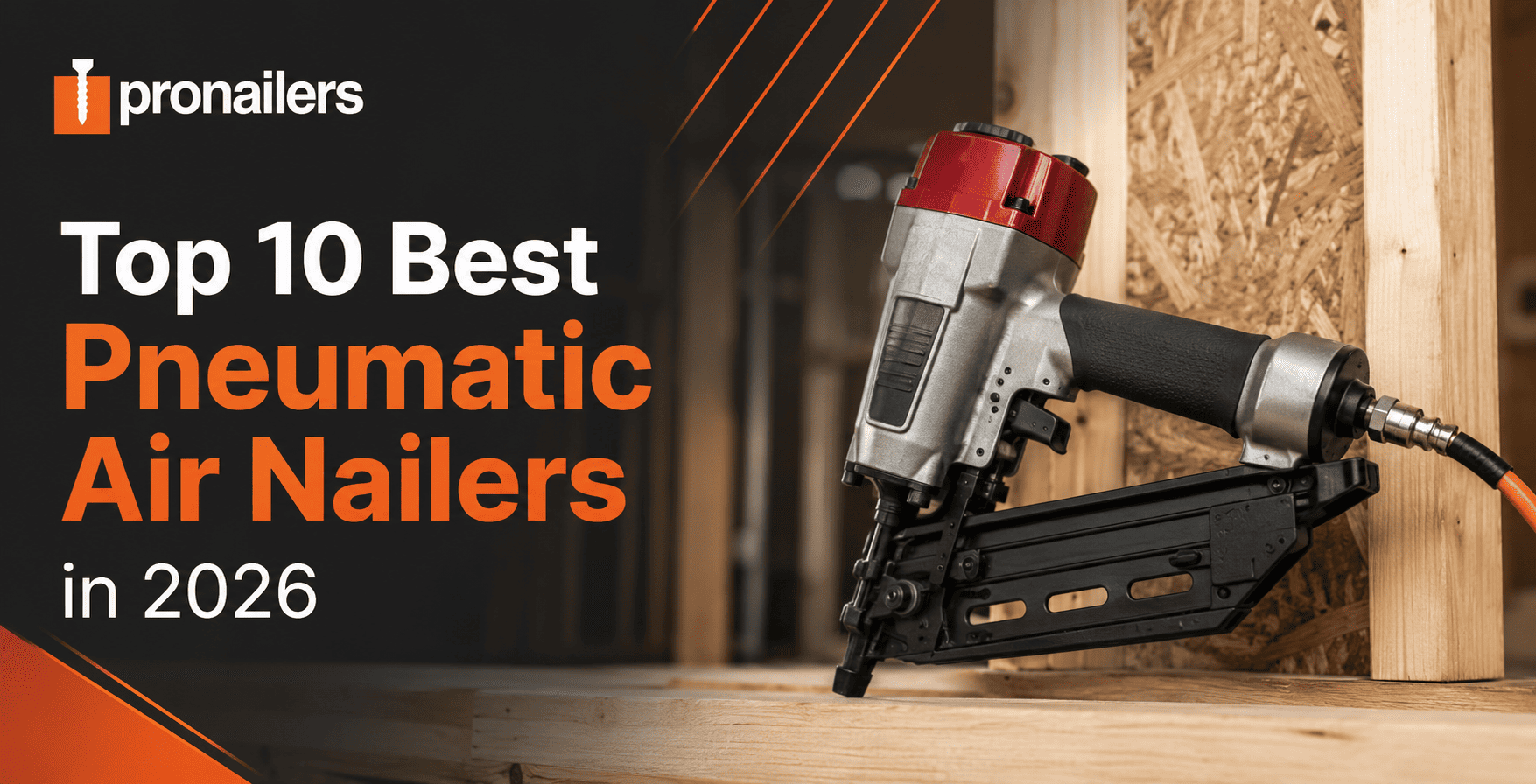
- Pneumatic nailers and staplers for high-speed fixing in workshop and site environments
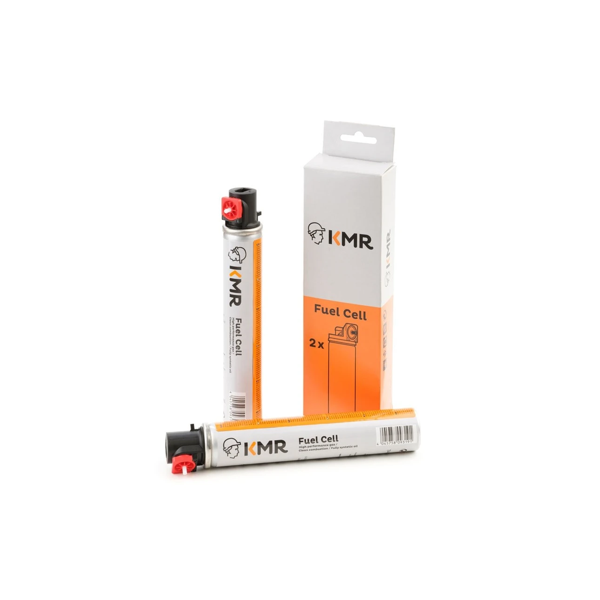
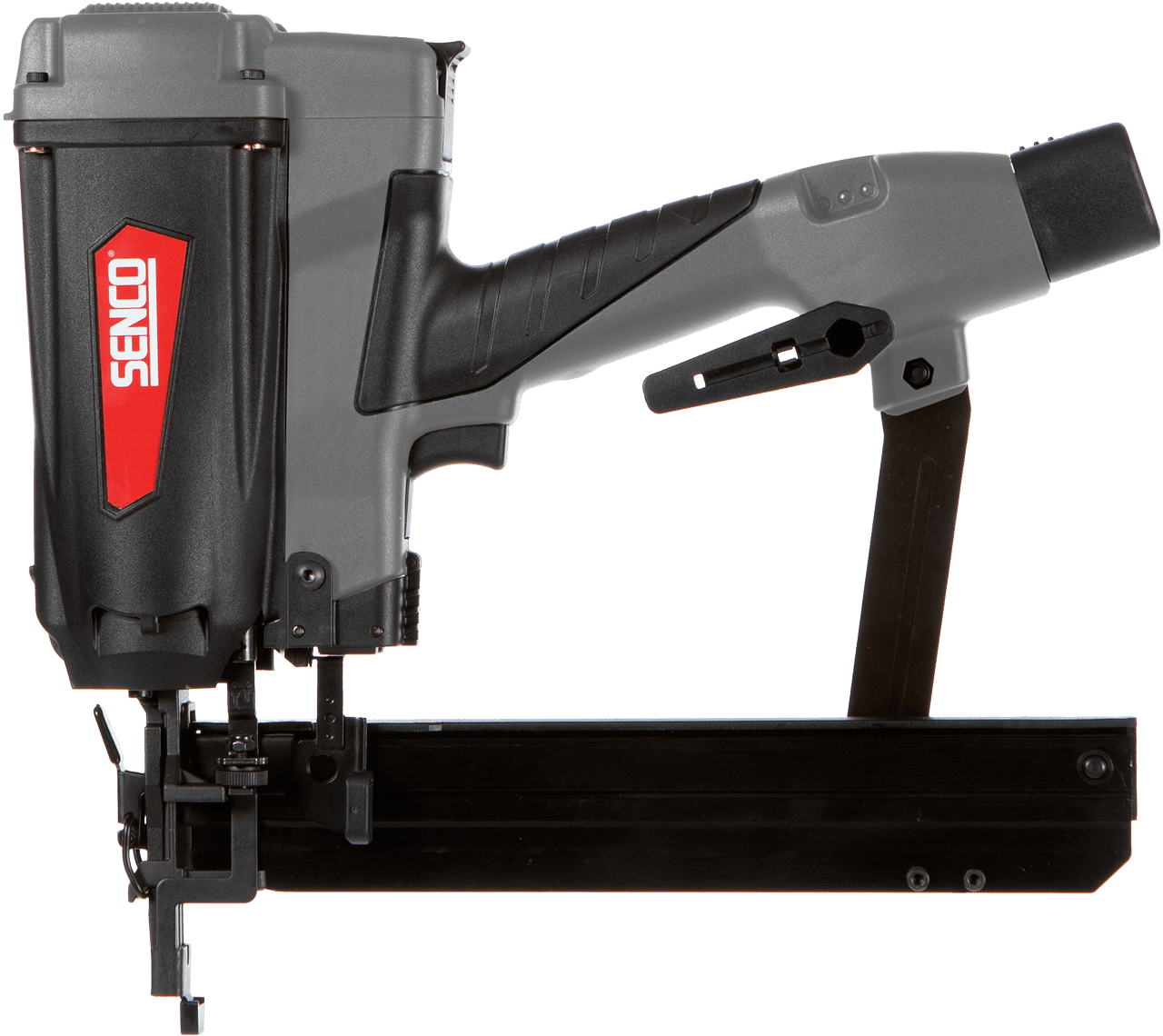
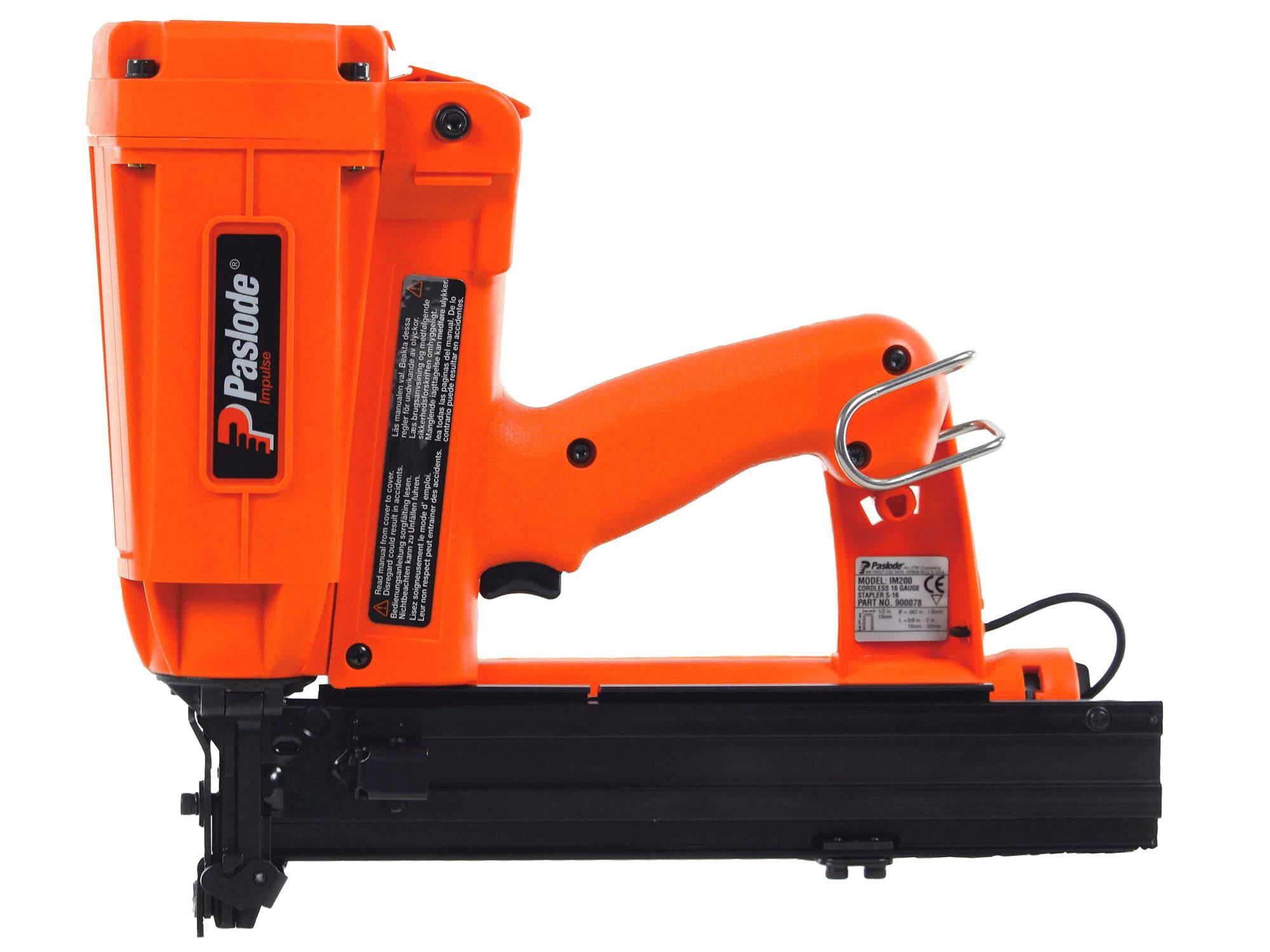
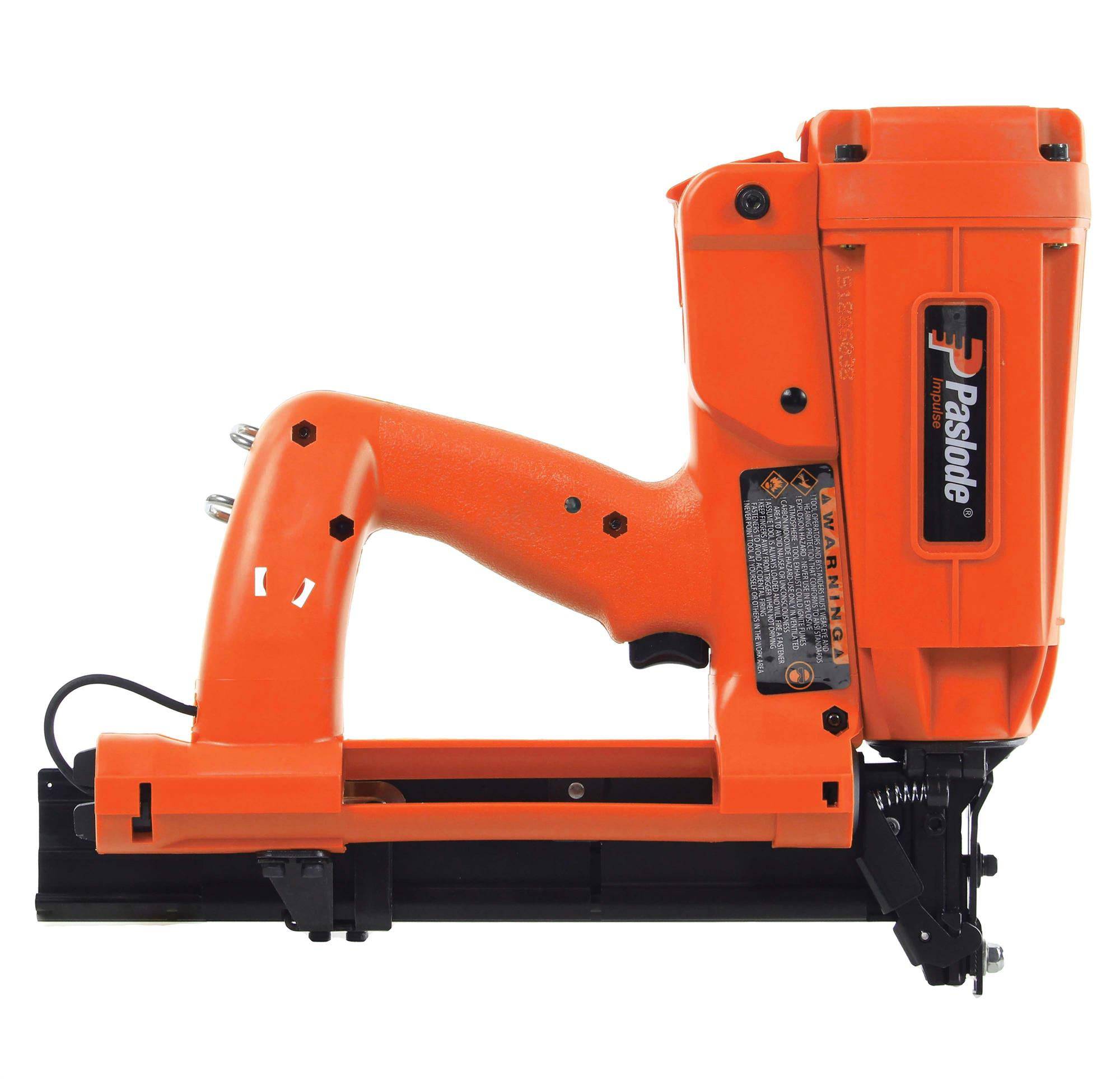
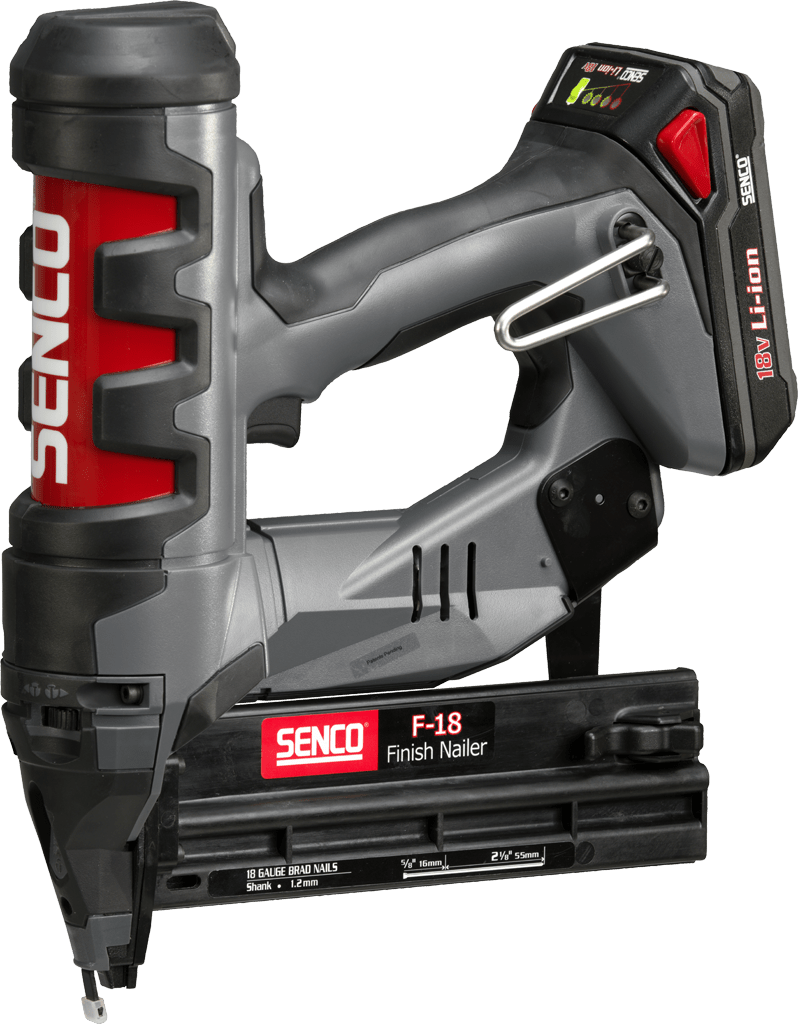
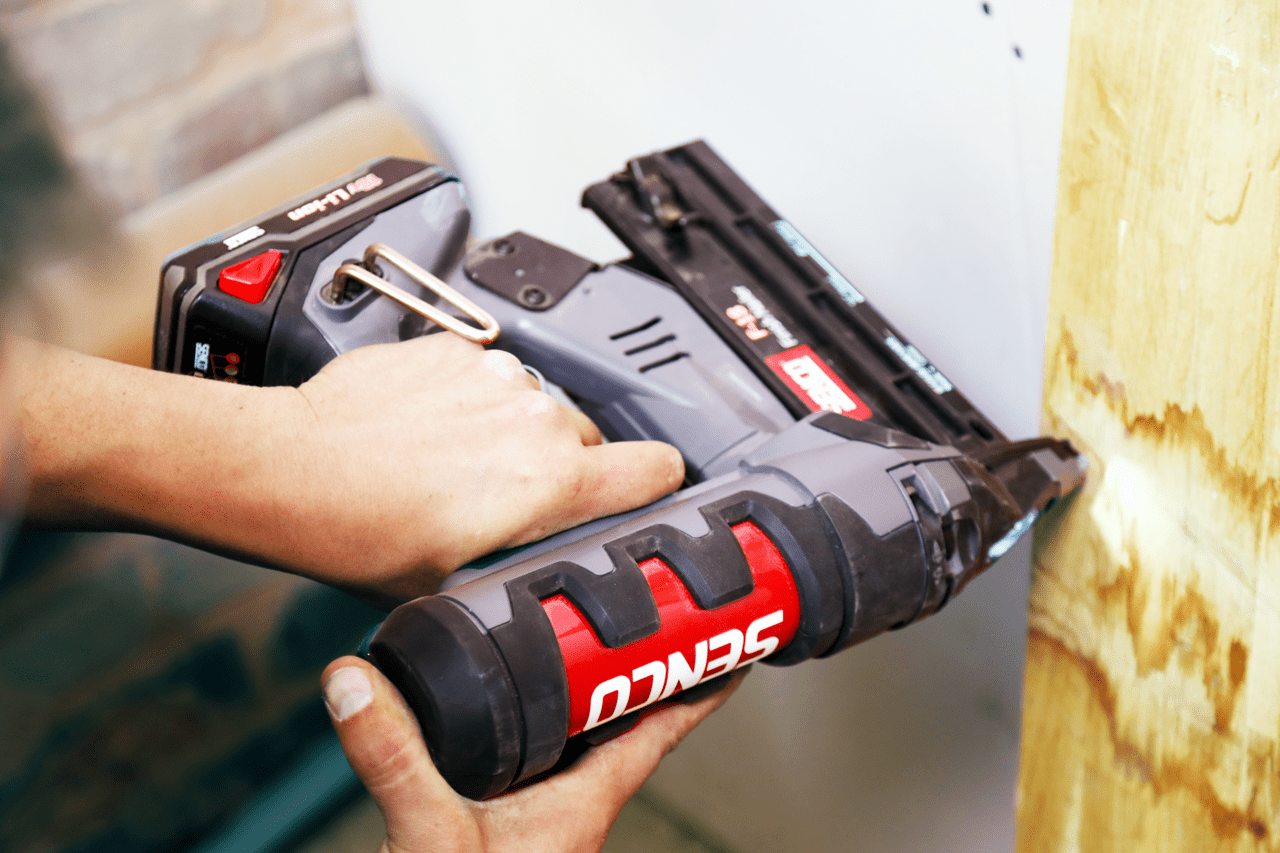
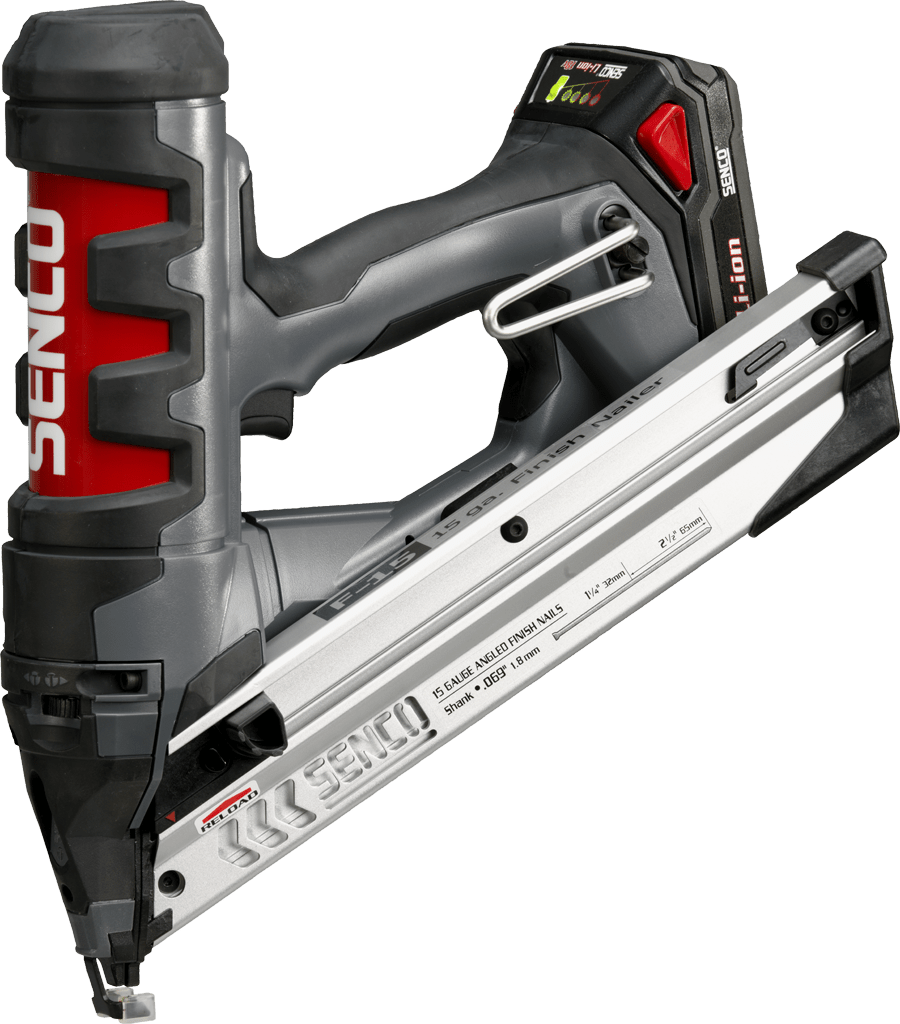
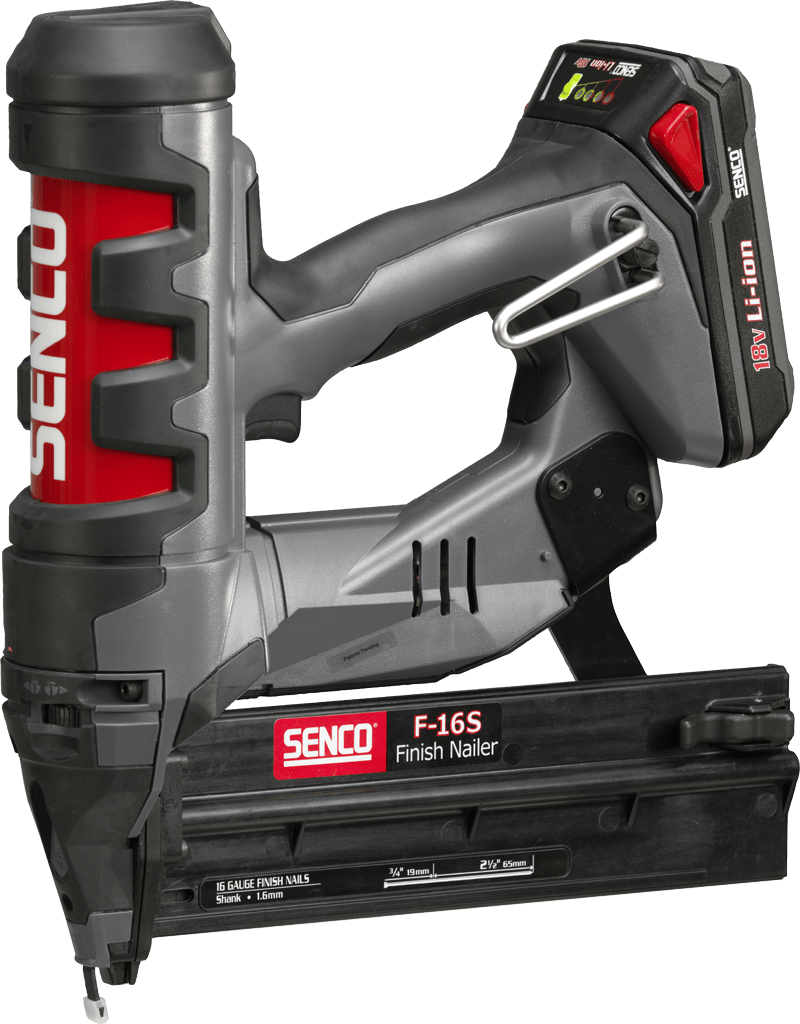
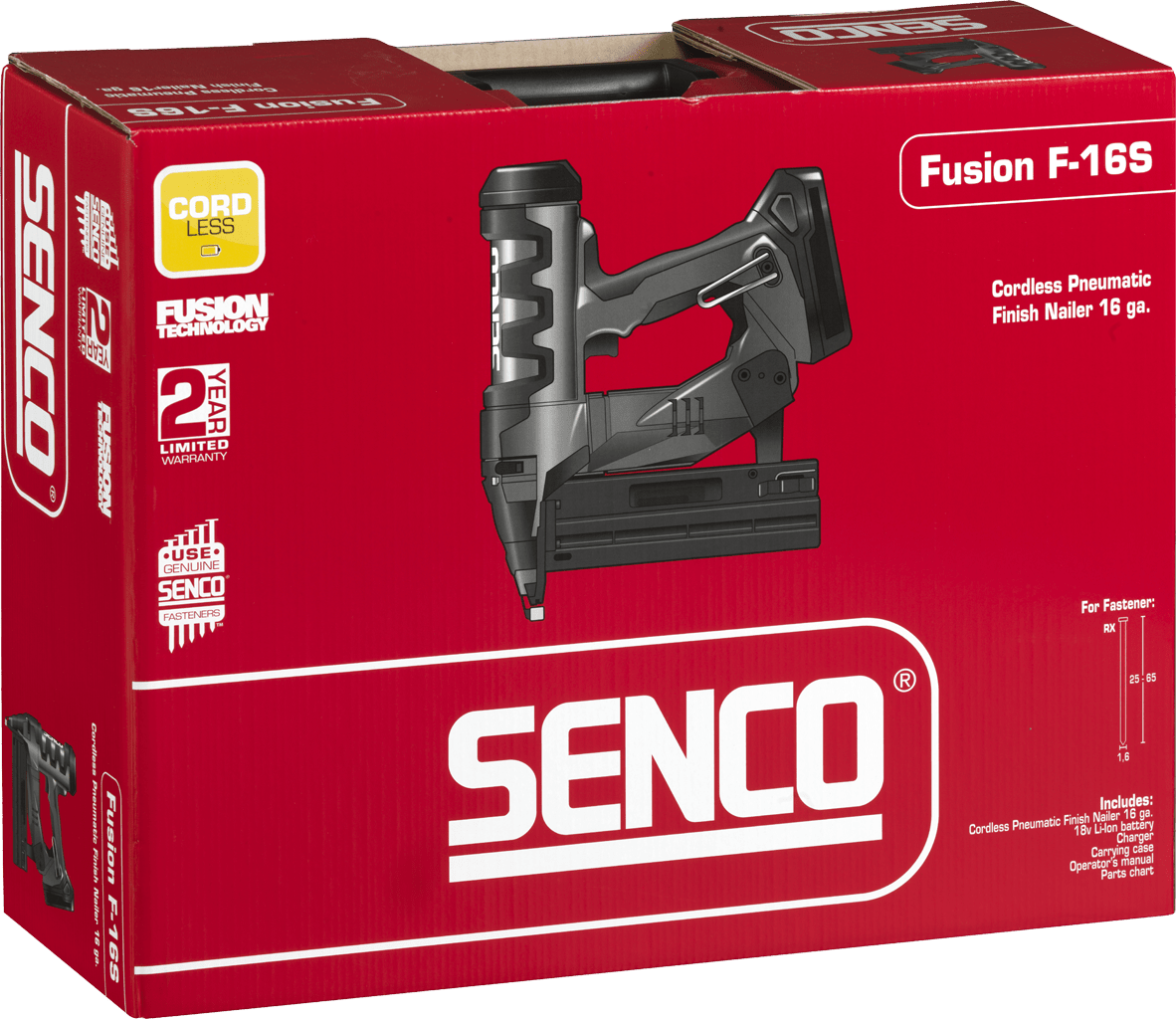
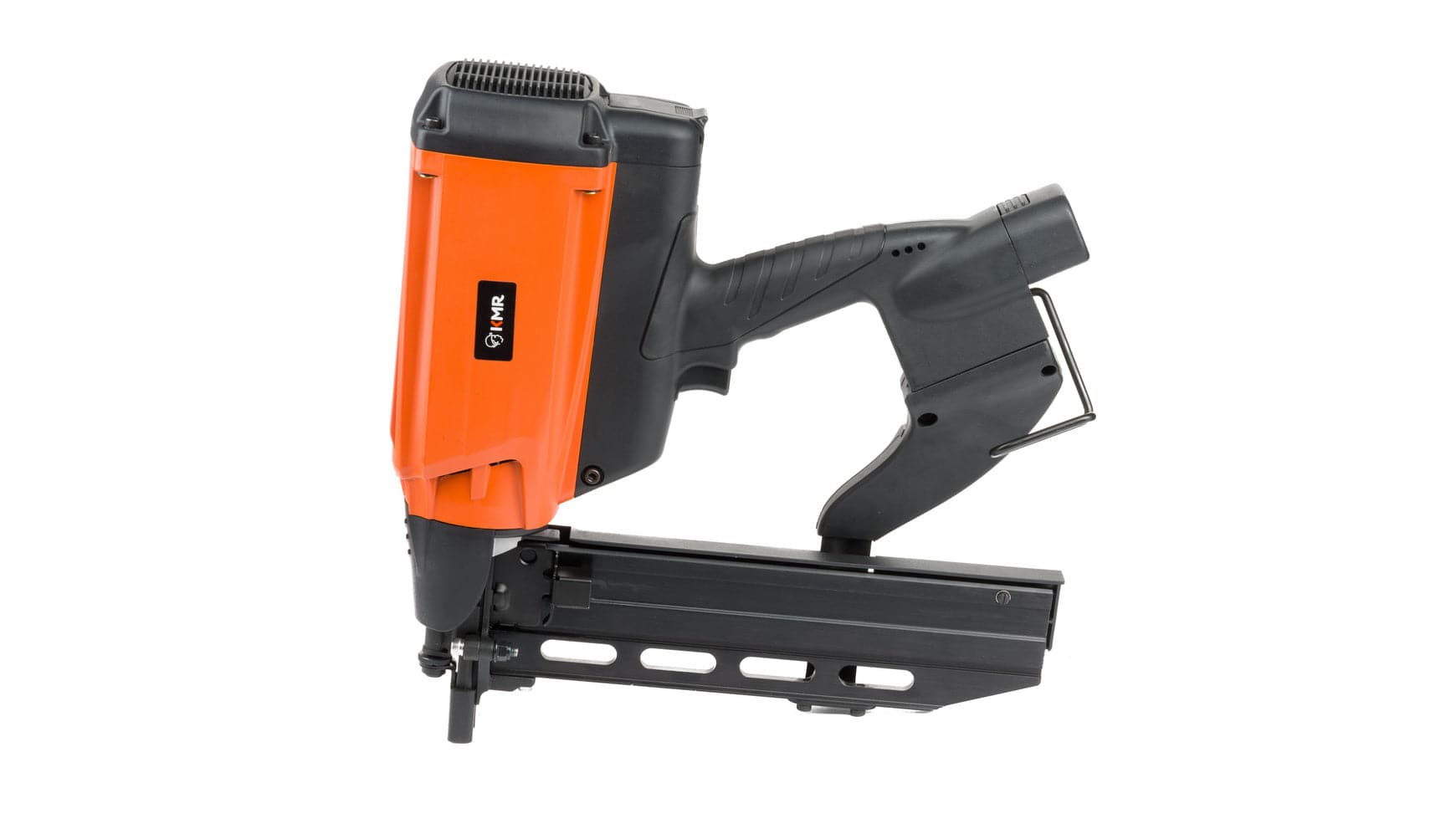
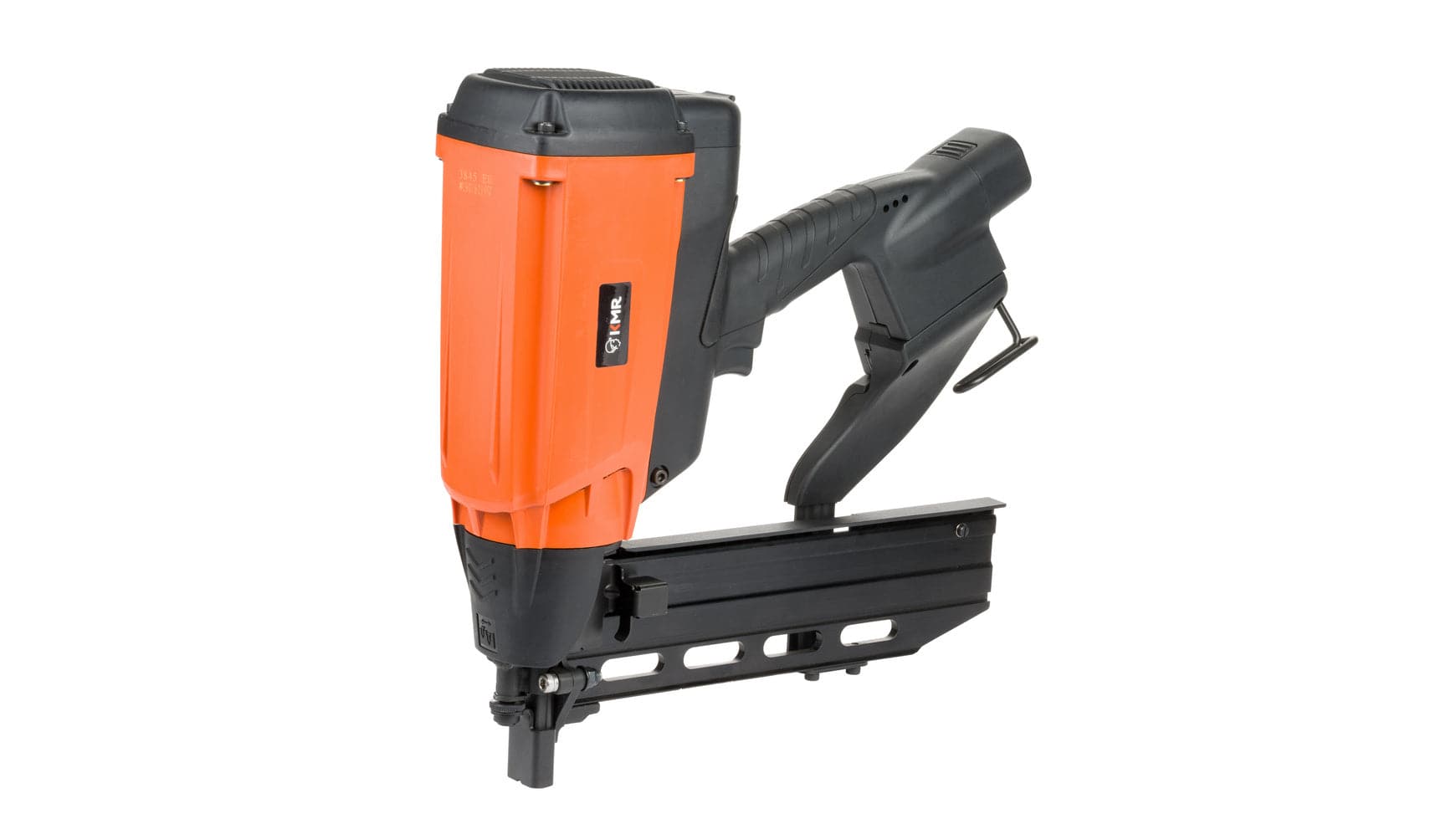
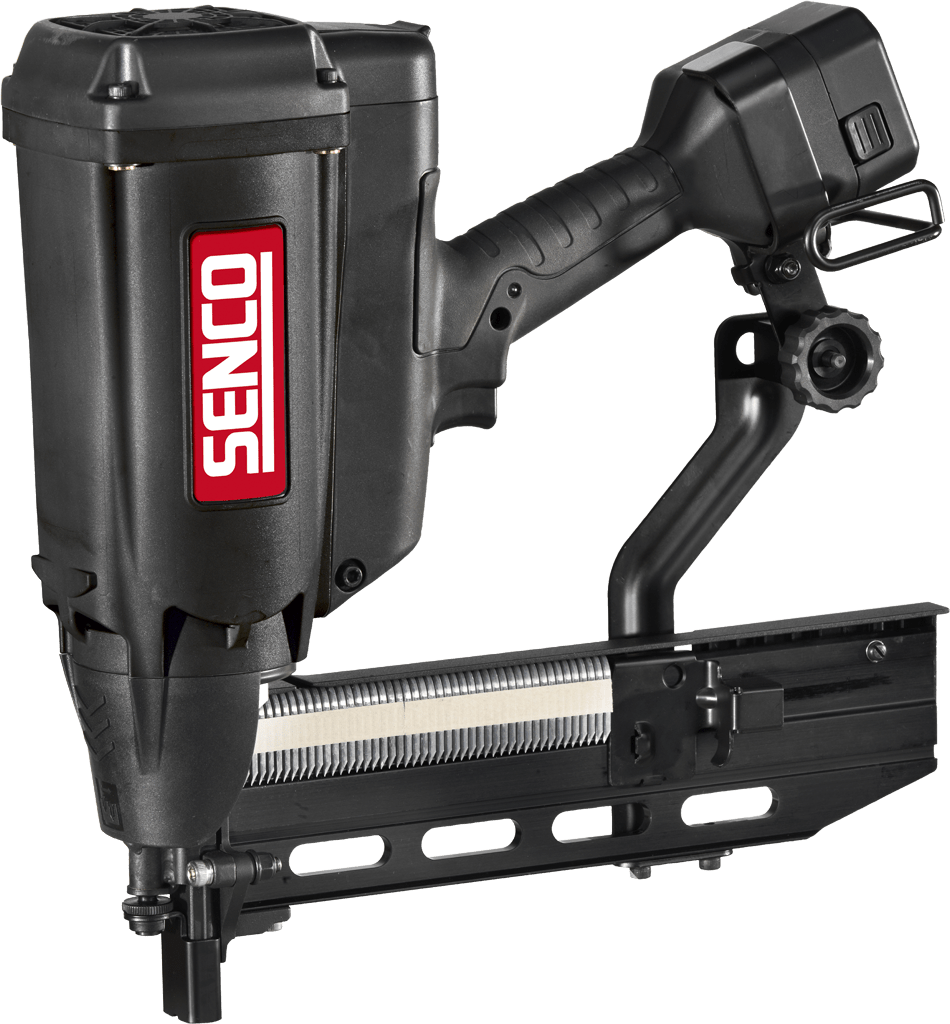
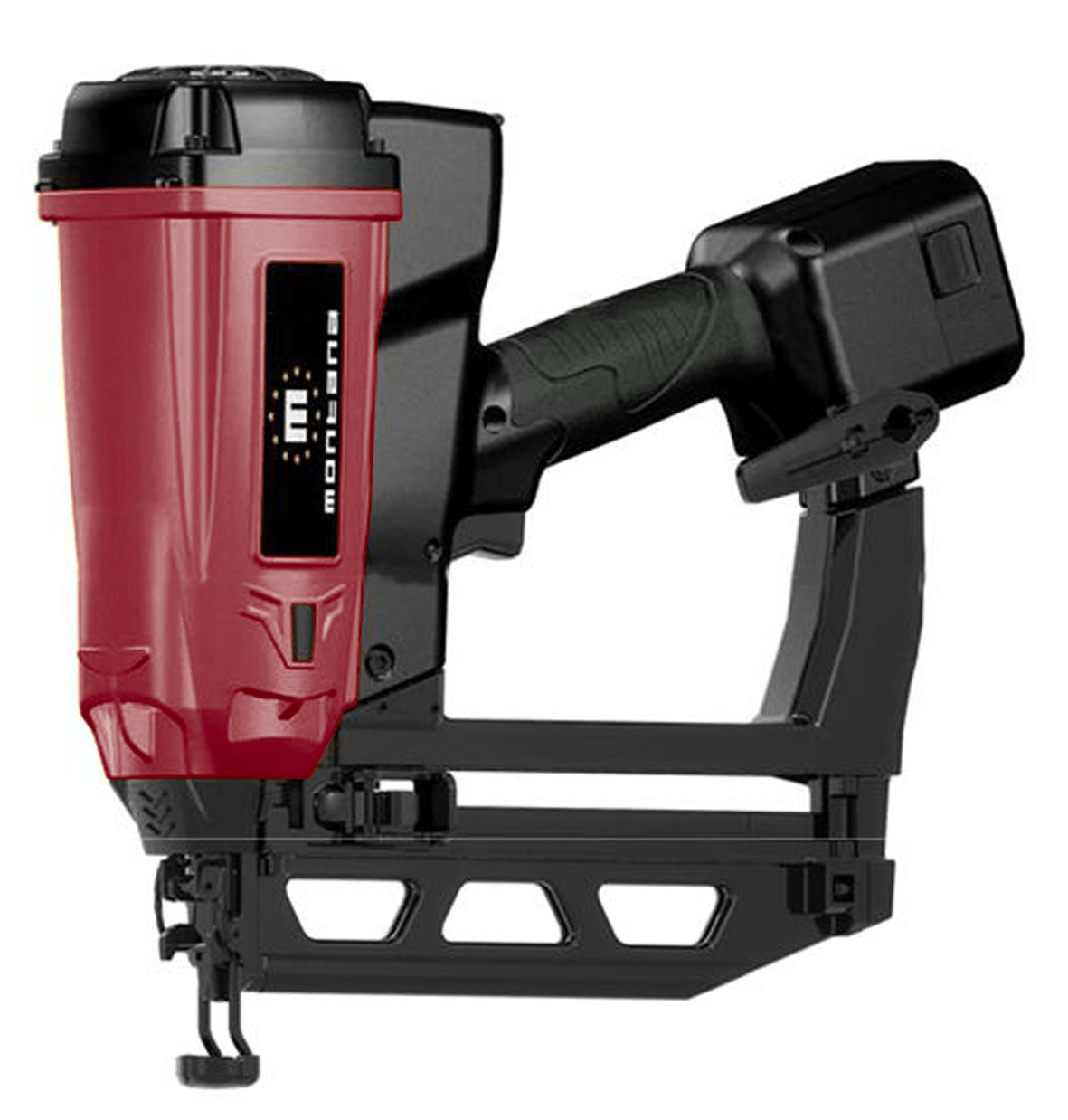
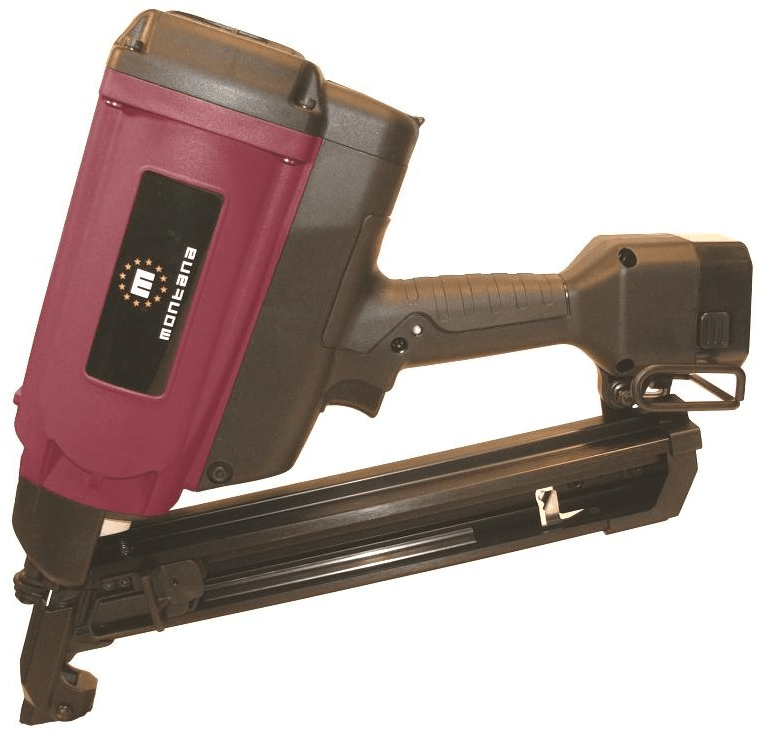
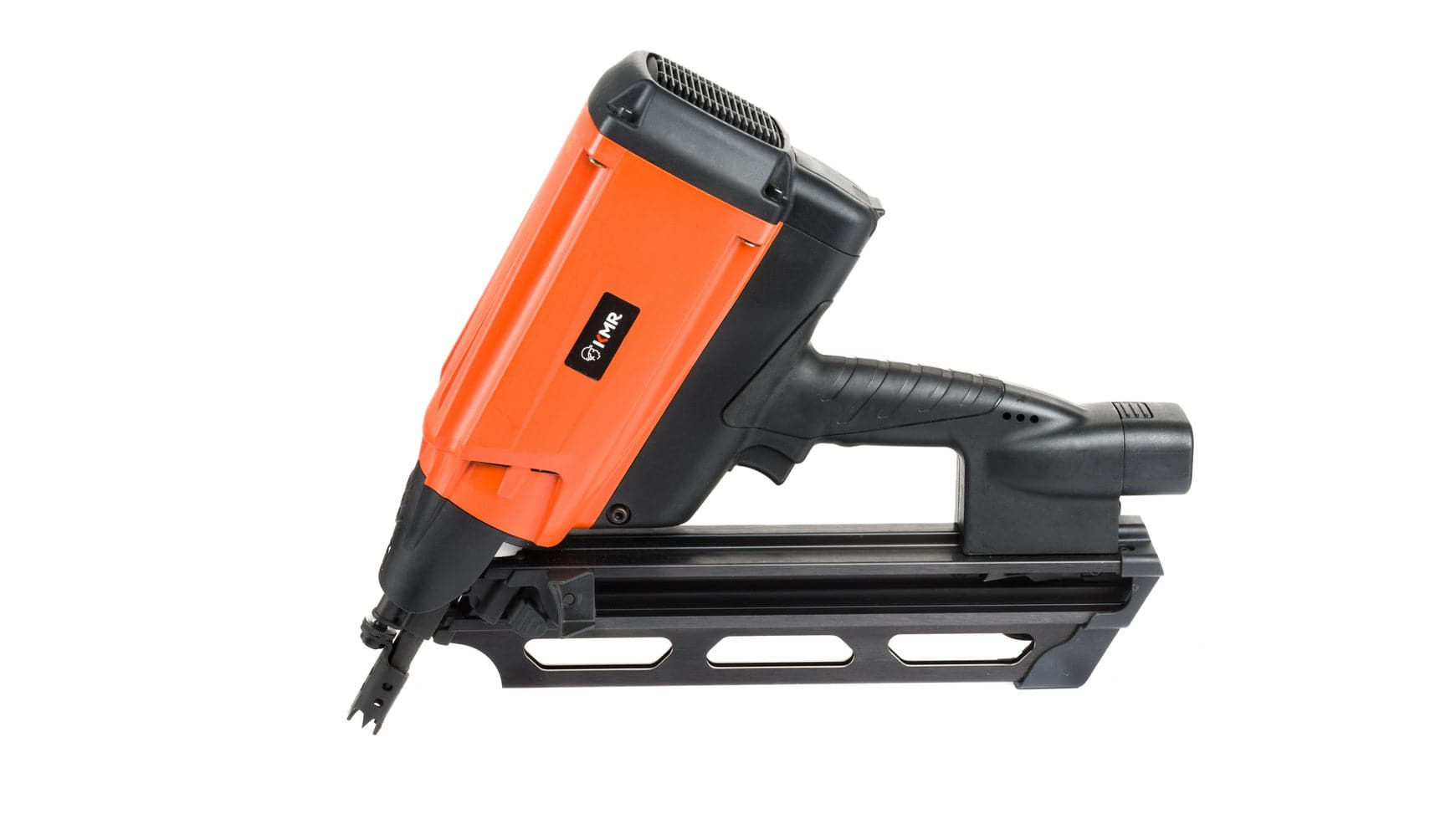
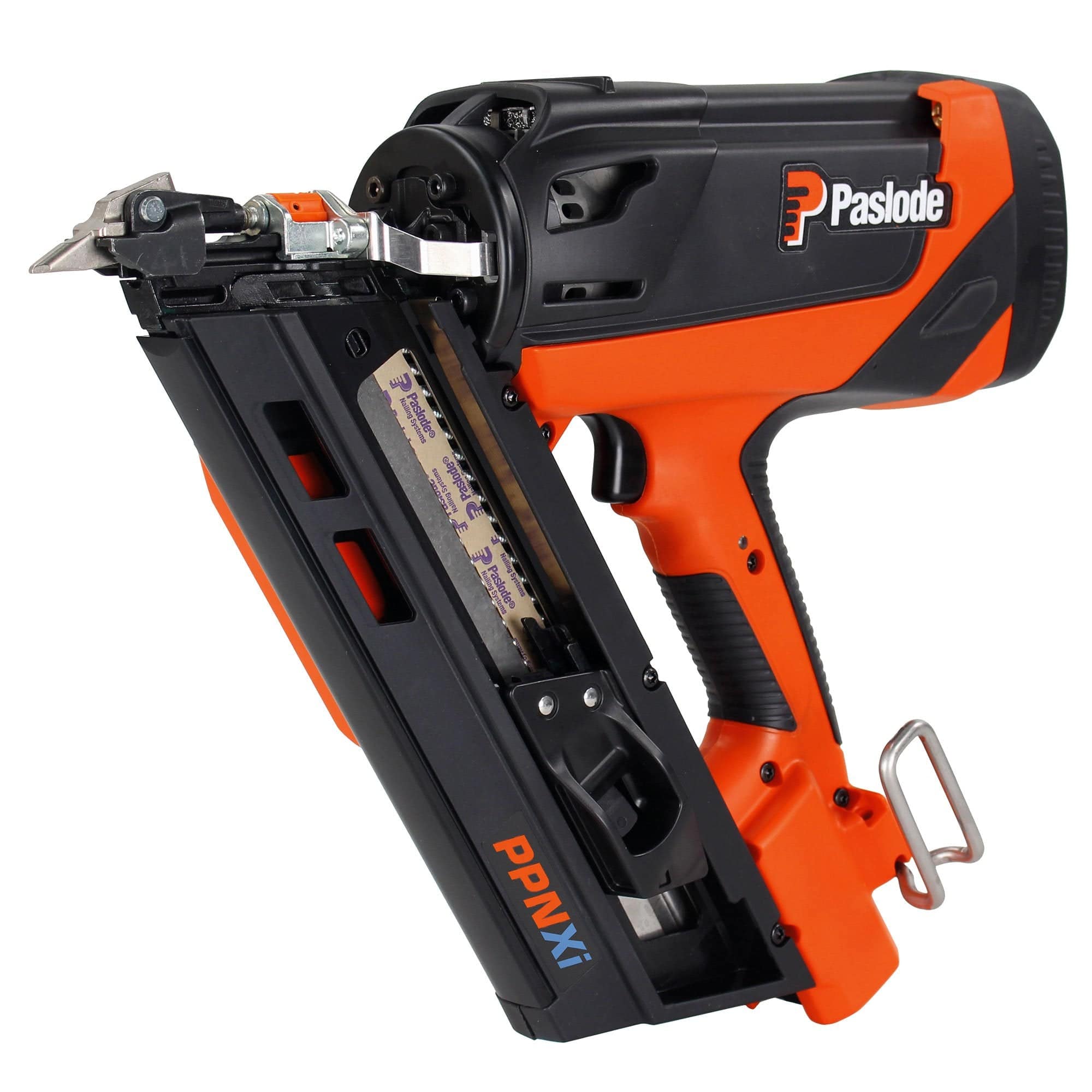
- Cordless nailers and staplers for maximum mobility and convenience on the job
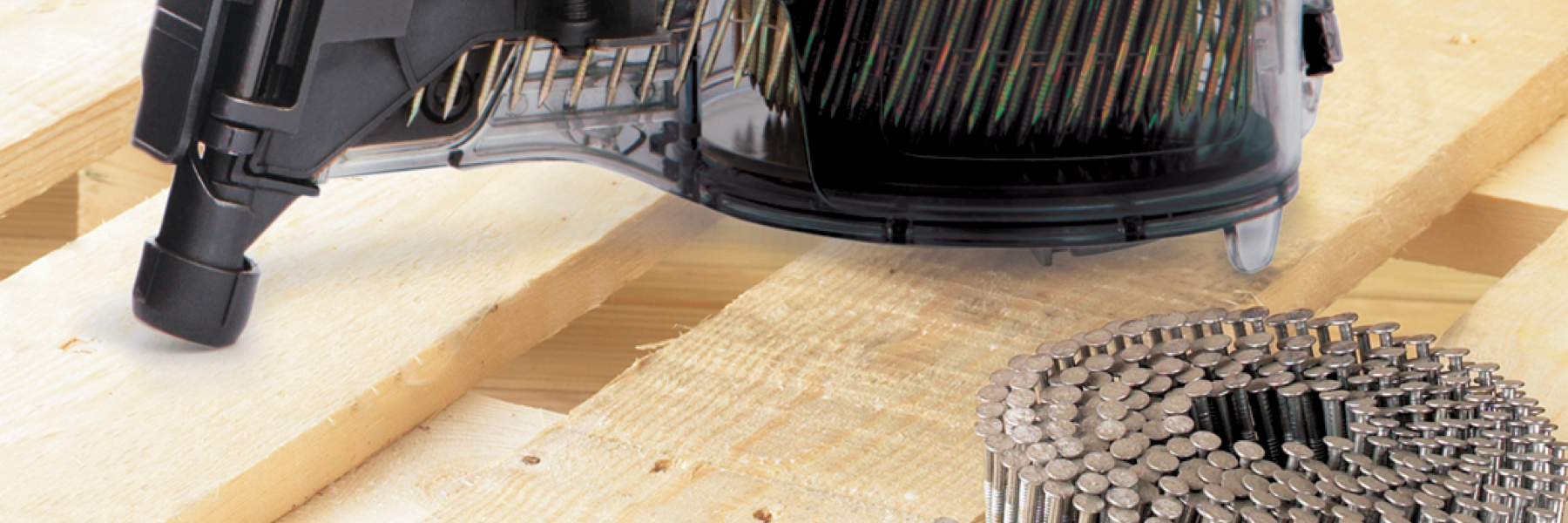
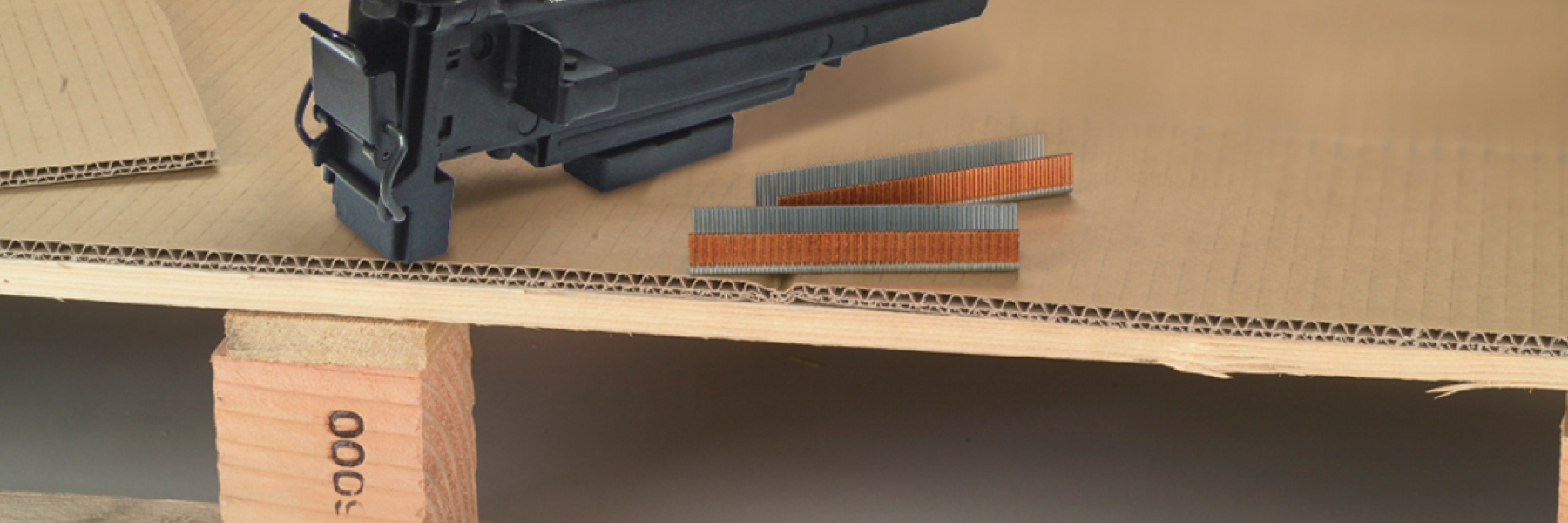
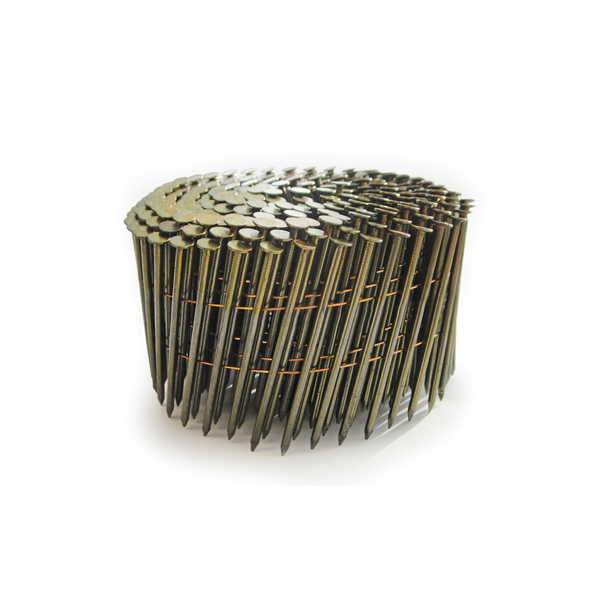
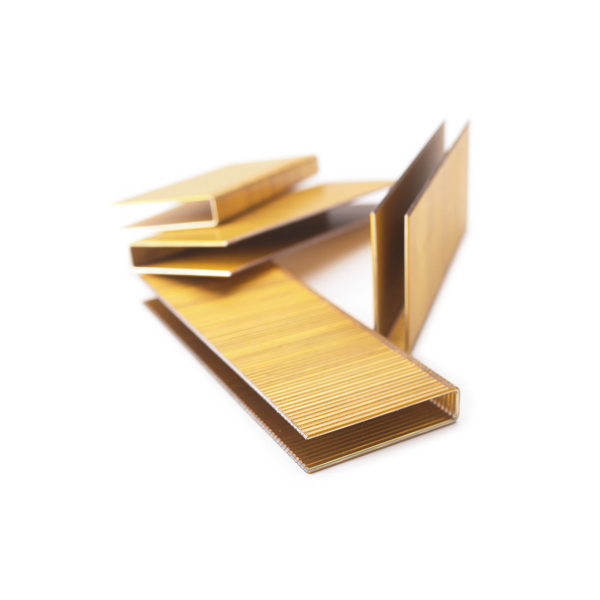
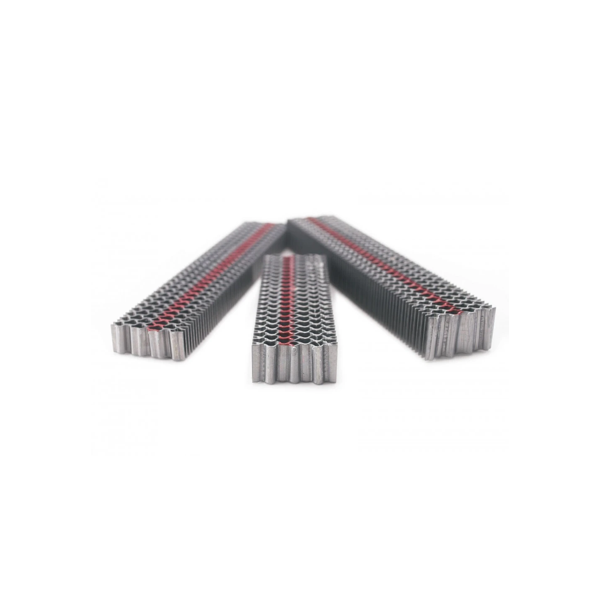
- Industrial collated nails and staples designed for reliable feeding and strong holding power
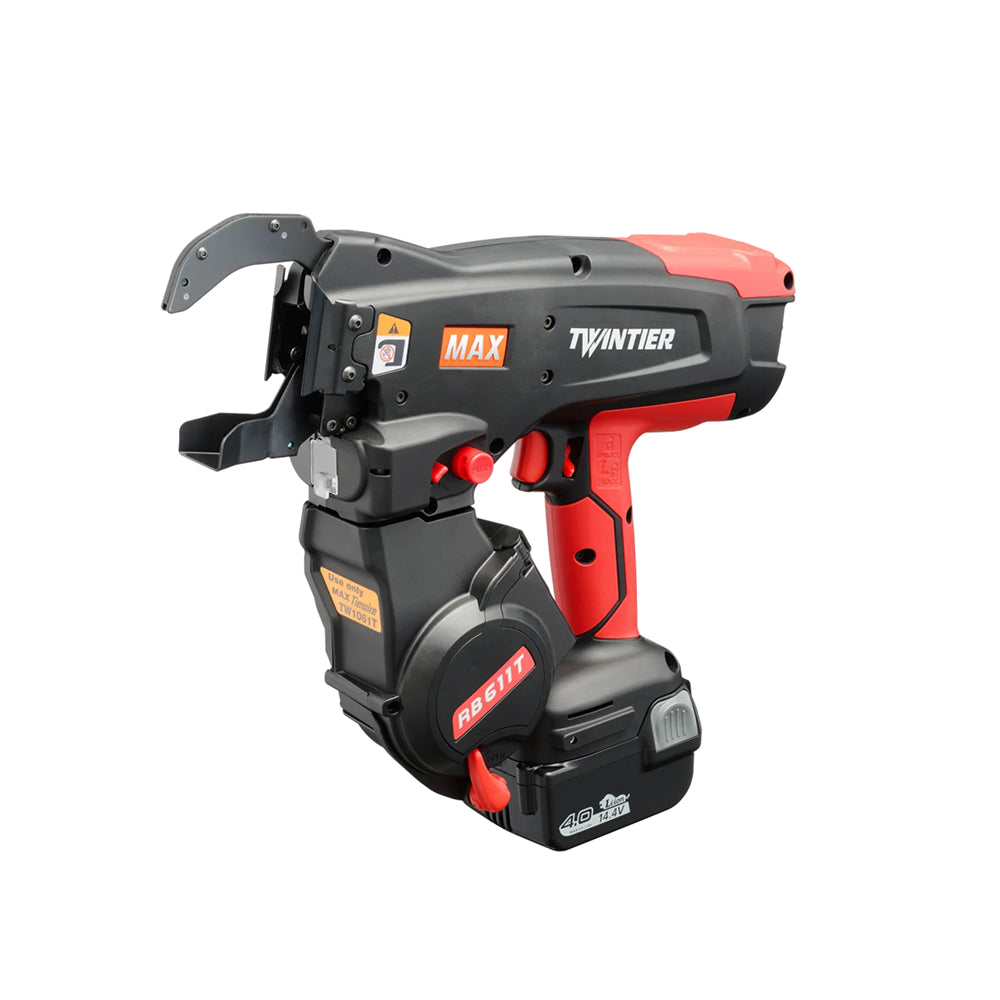
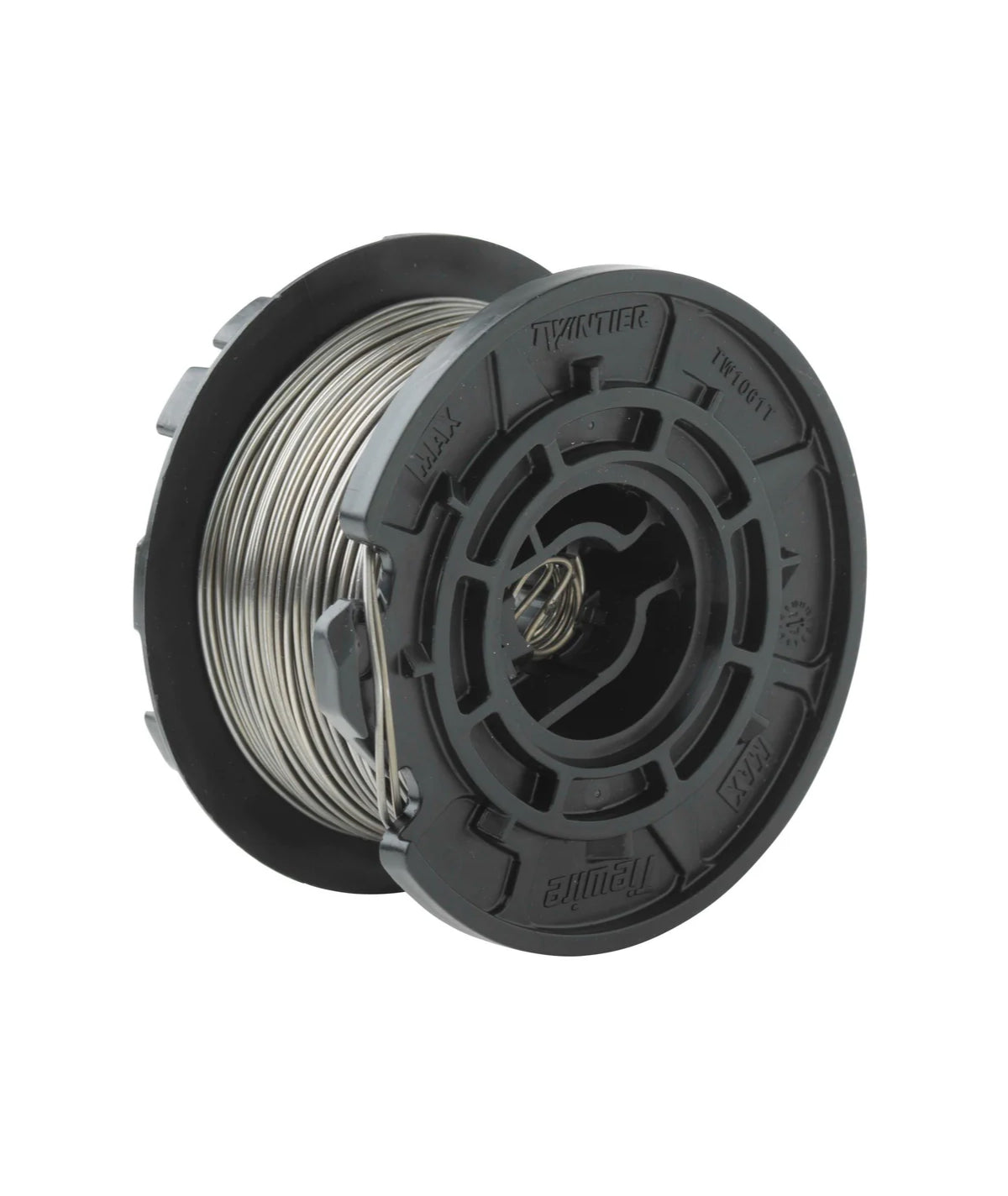
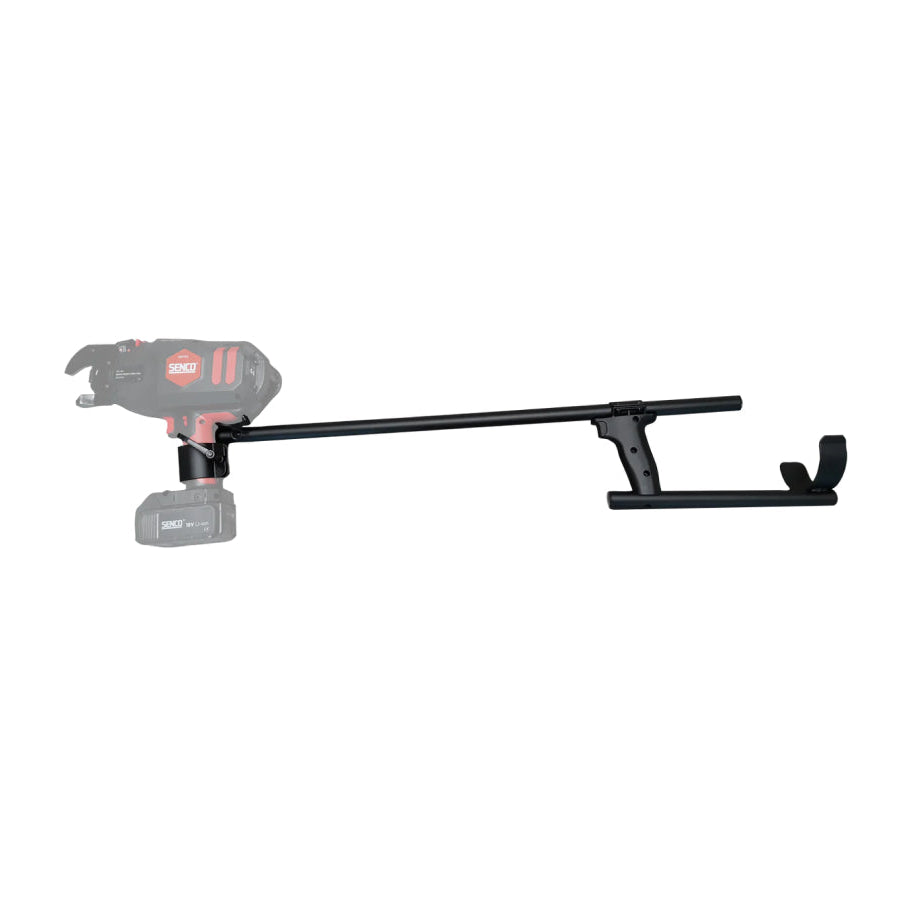
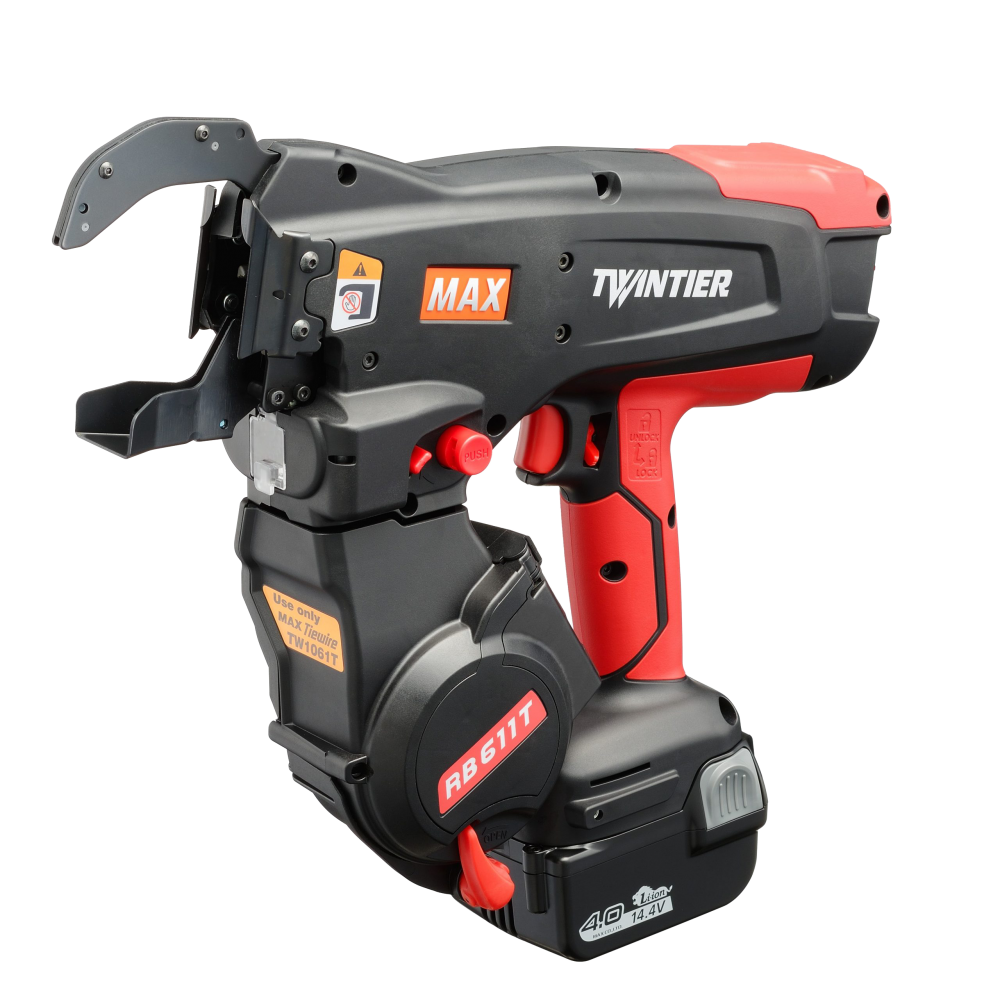
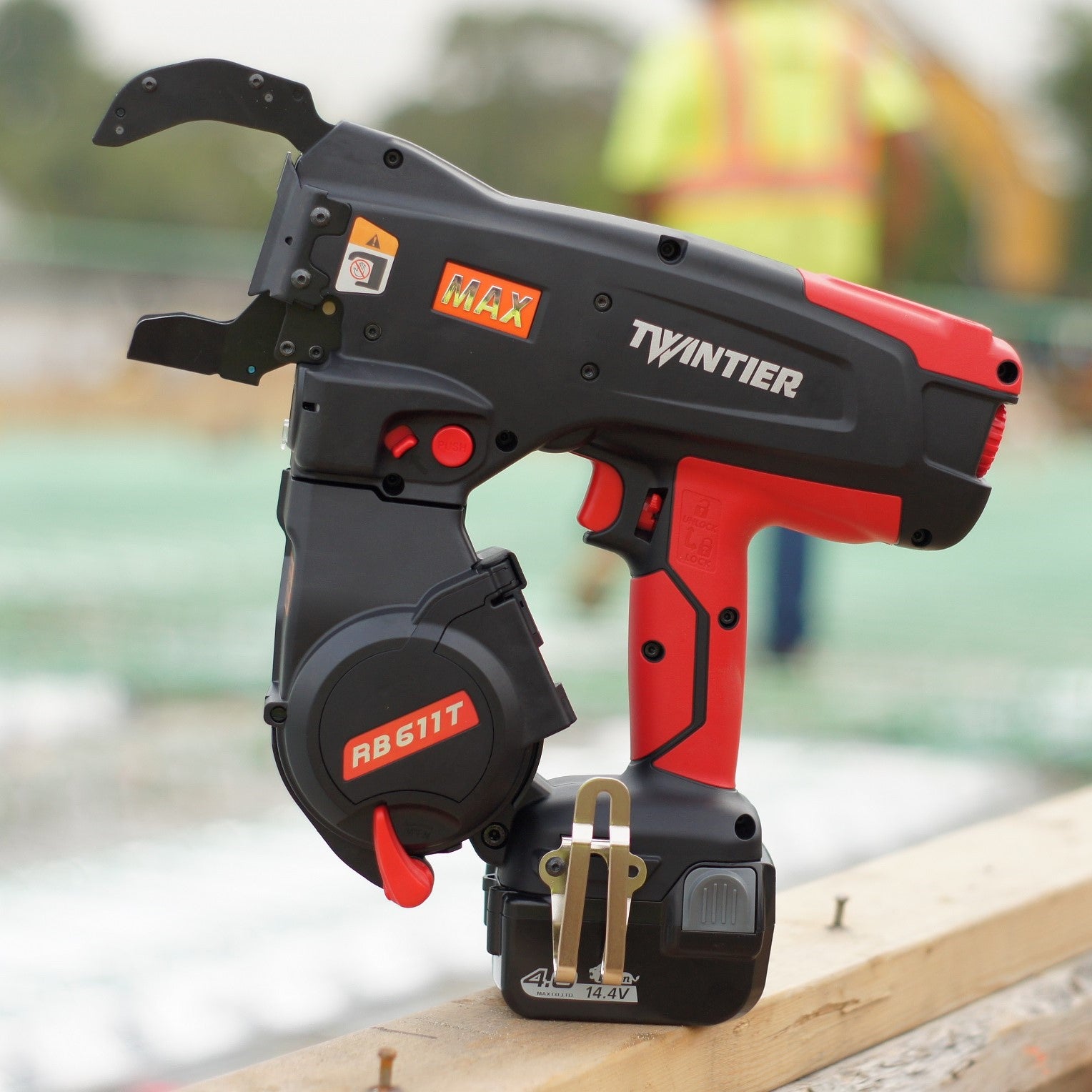
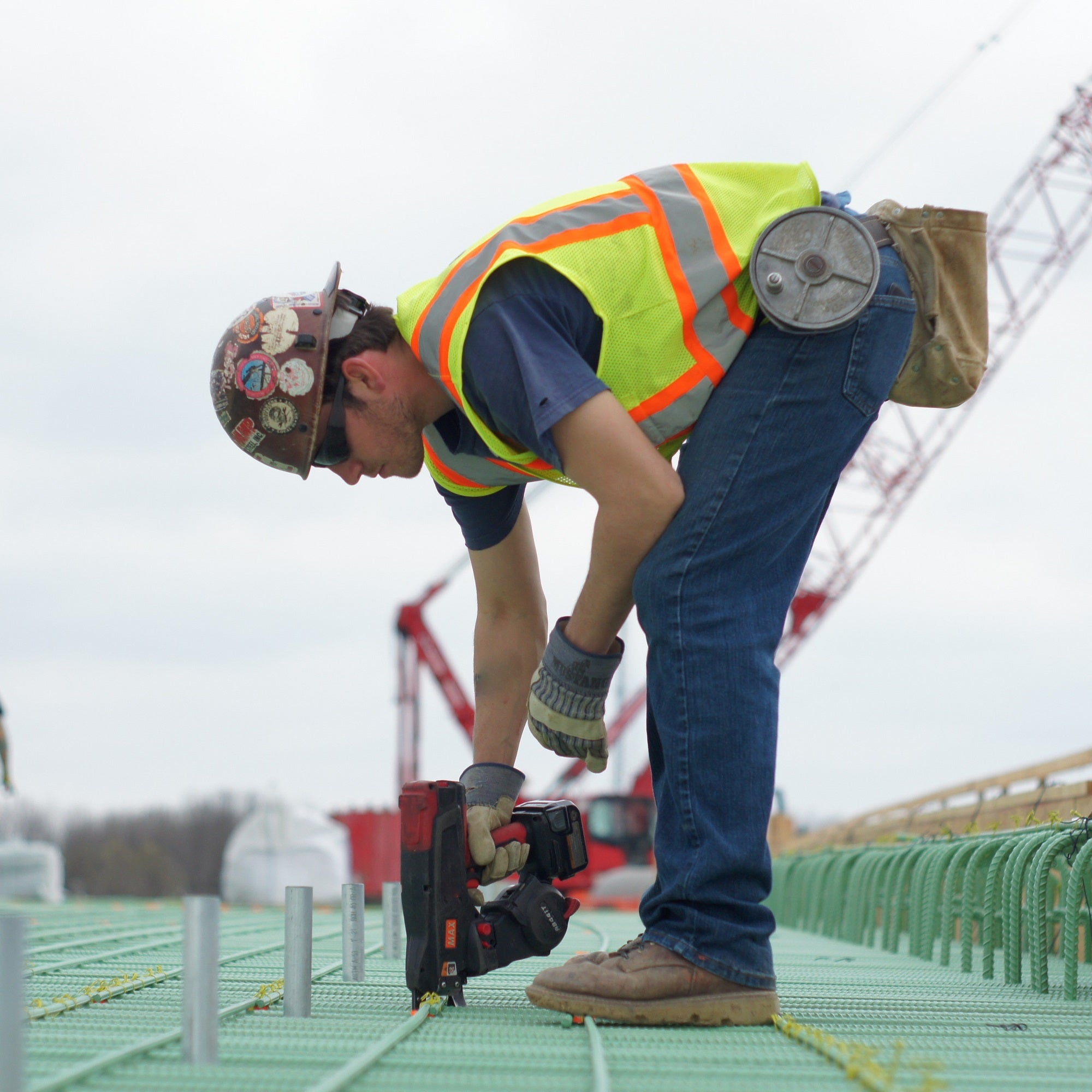
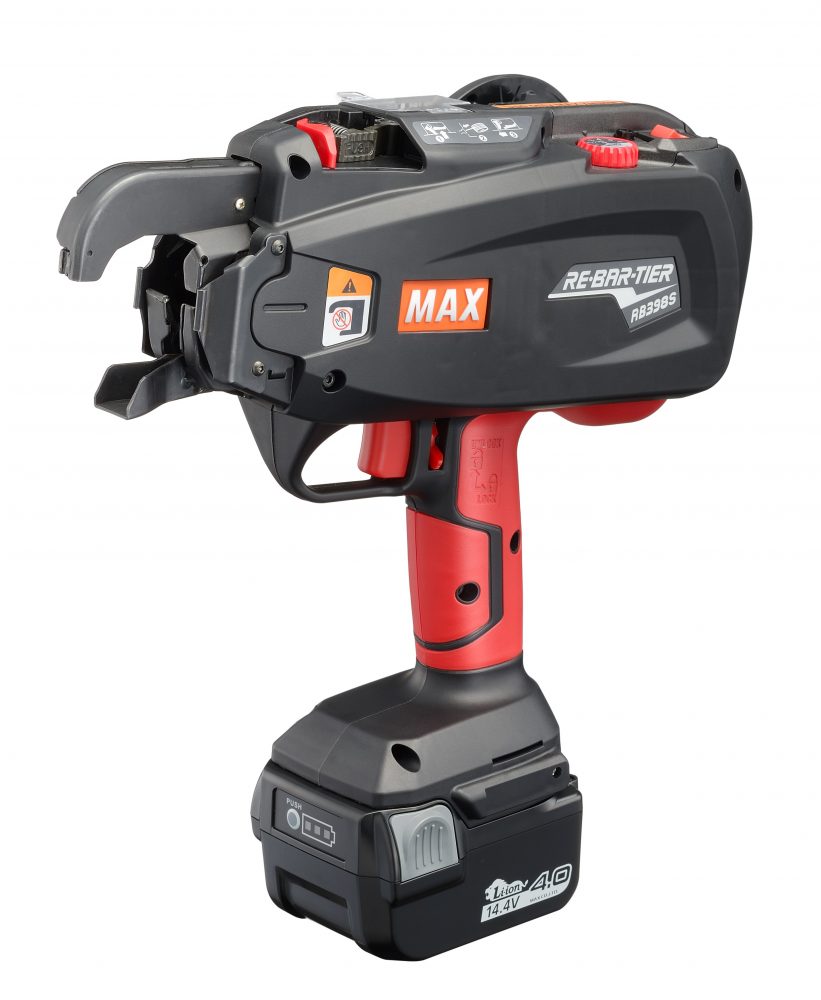
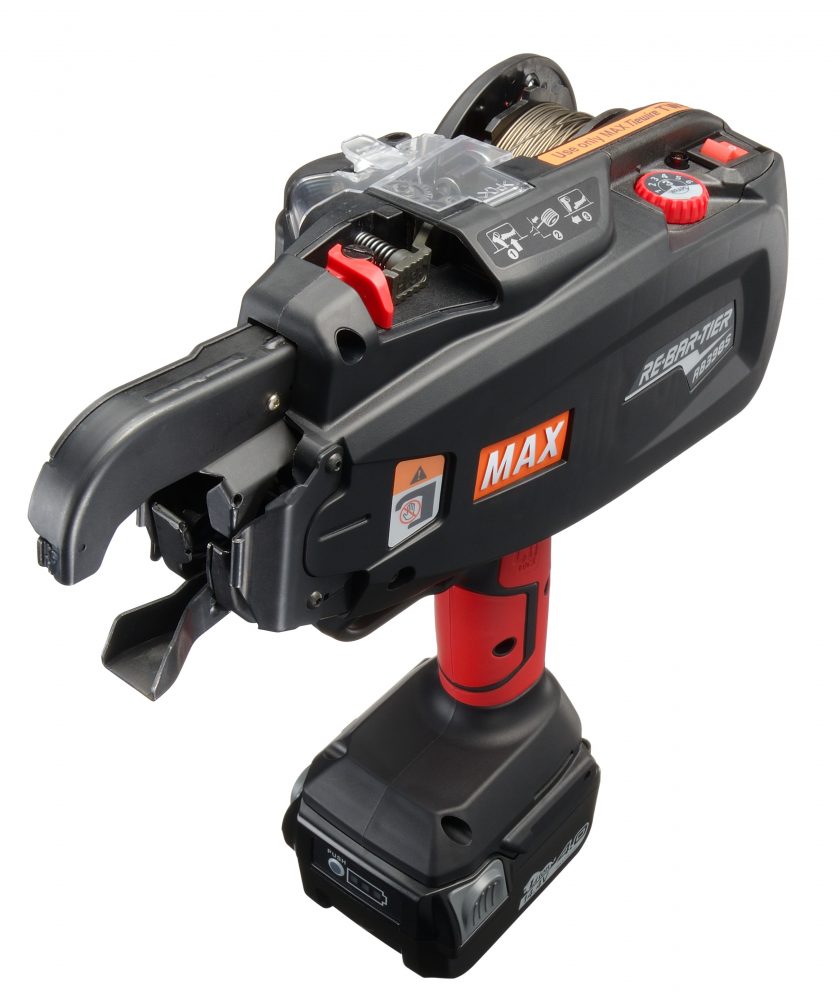
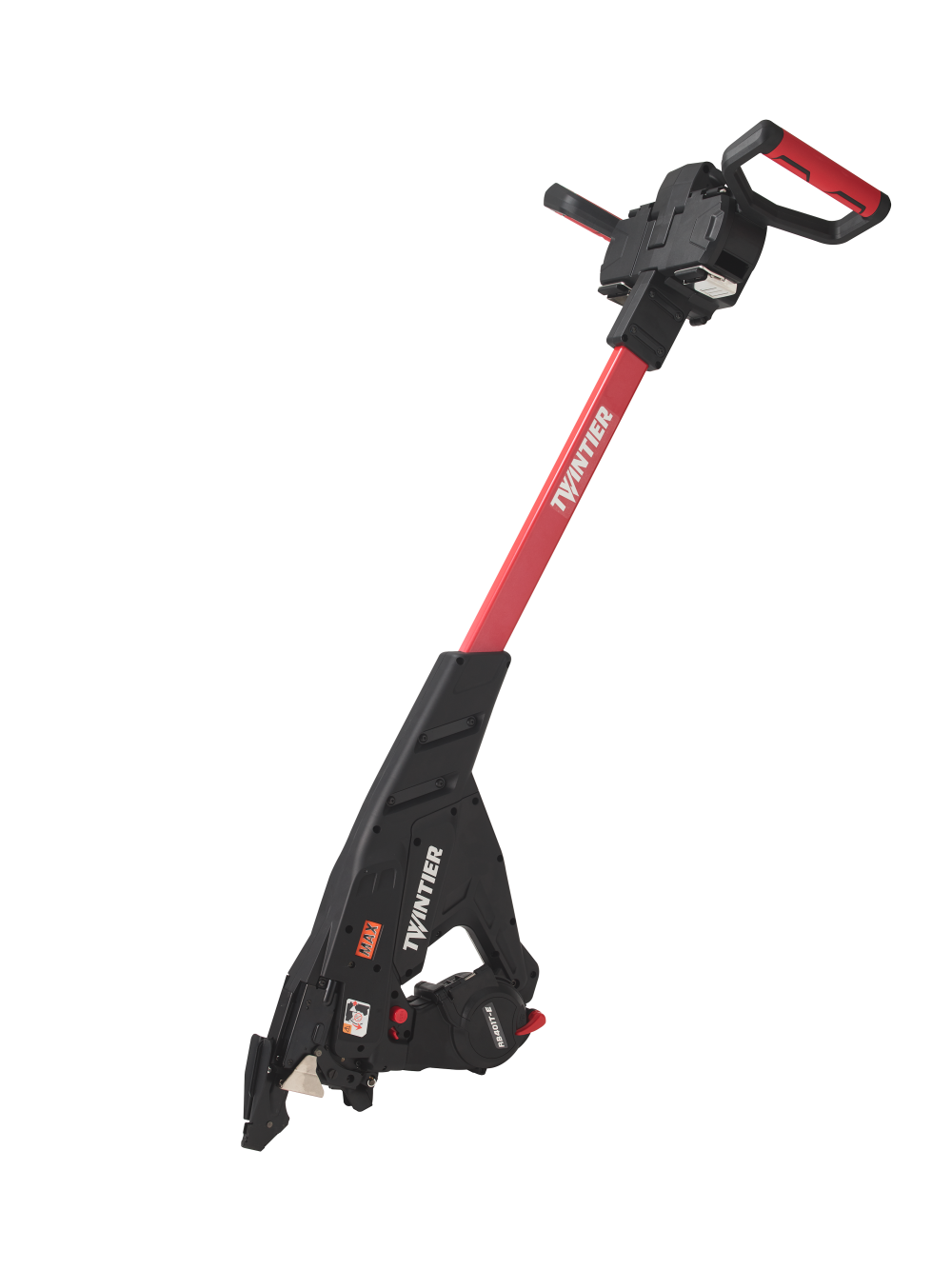
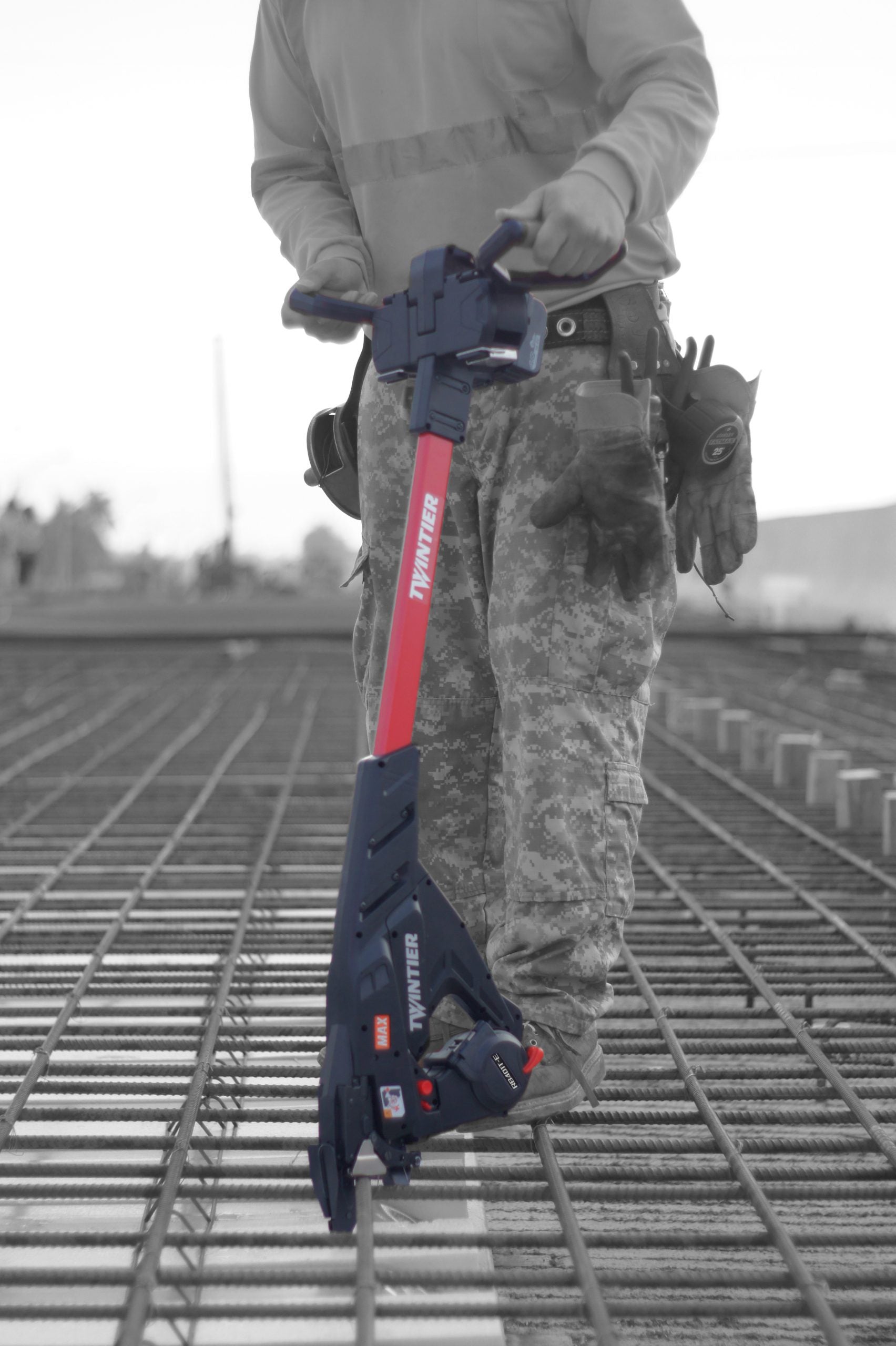
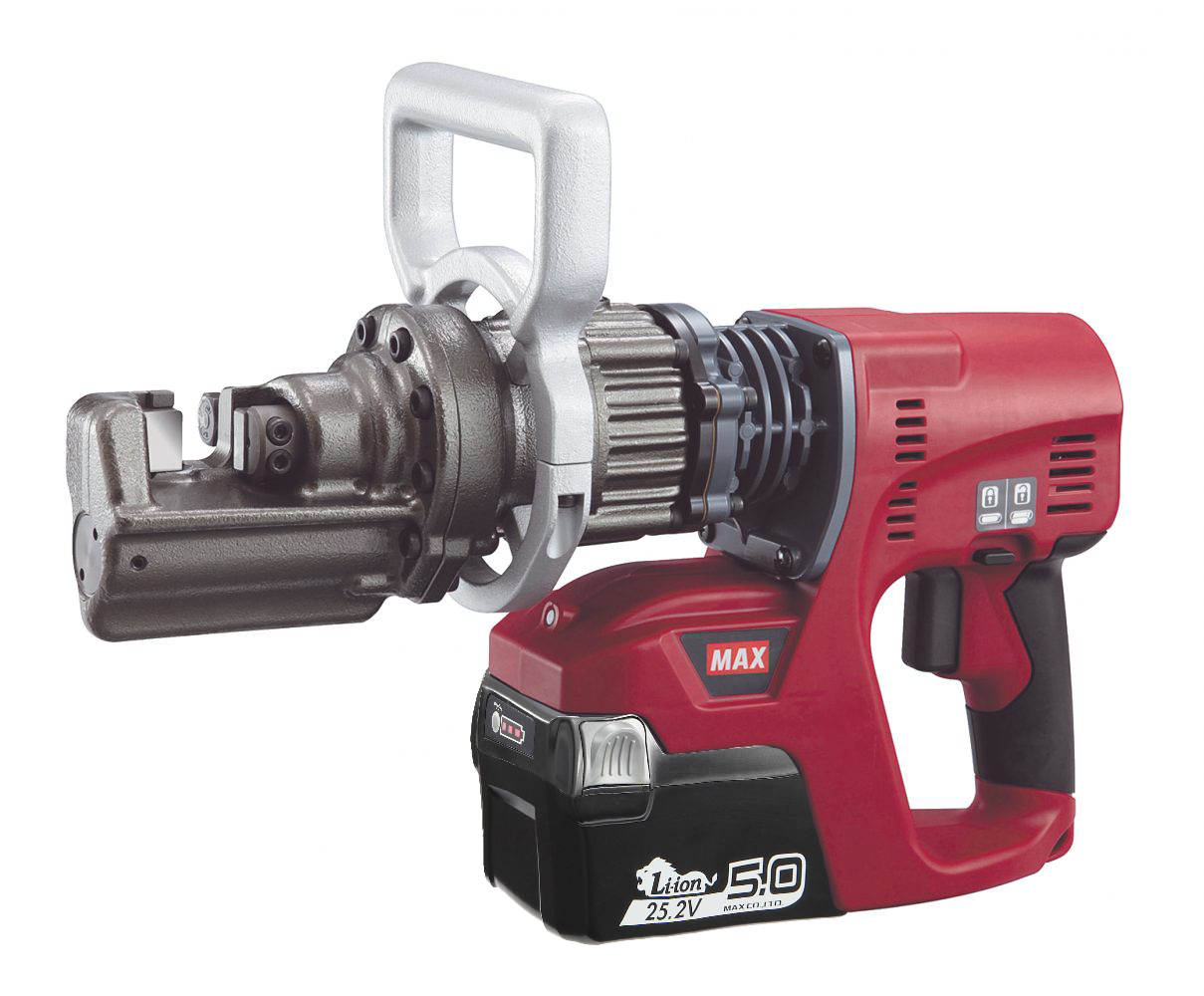
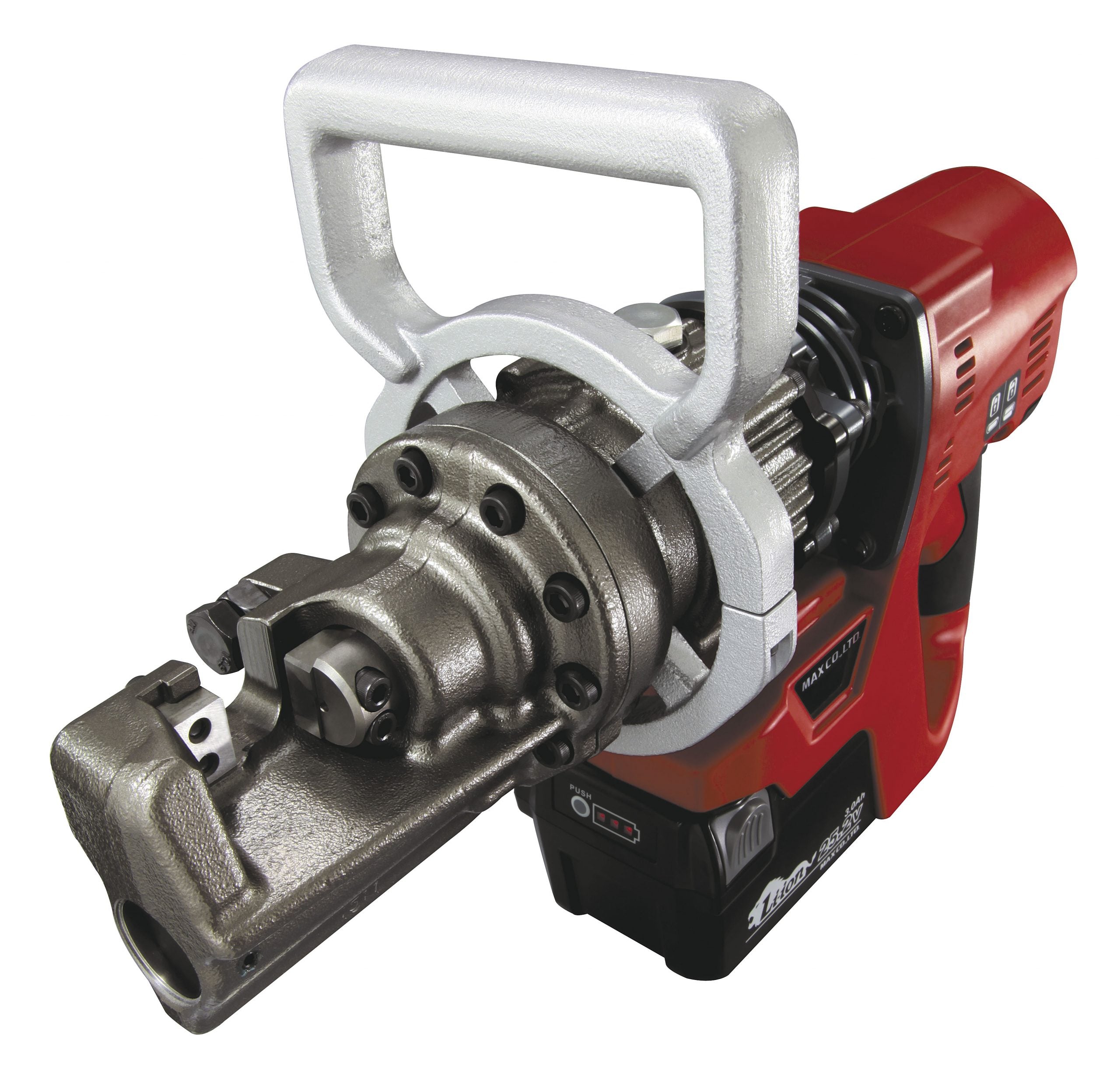
- Rebar tools and tying wires for fast and efficient steel fixing in concrete reinforcement
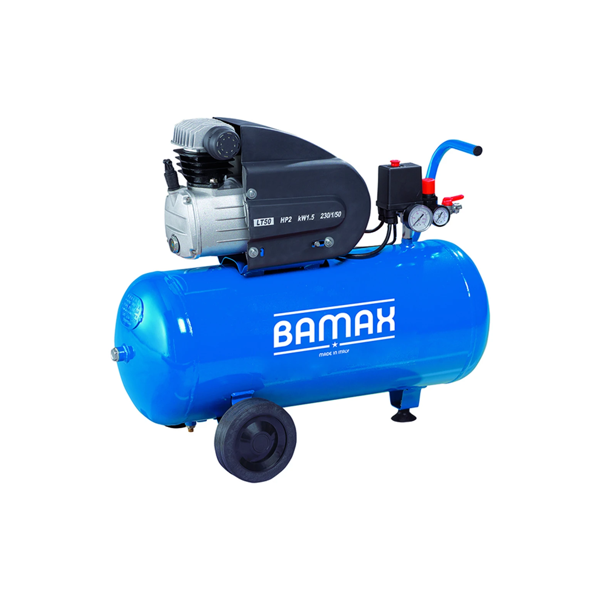
- Air compressors, pneumatic components and accessories to support professional fastening setups
Every product we supply is chosen for performance, durability and for use in specific working environments.
Trusted Across Multiple Trades
Our tools are used daily by:
- Construction & civil engineering professionals
- Joiners, carpenters & interior fitters
- Roofing, decking & cladding specialists
- Manufacturing, assembly & maintenance teams
Why Choose ProNailers?
| Benefit | What It Means for You |
|---|---|
| High quality | Tools built for daily professional use |
| Specialist focus | Expertise in fastening, not just general tools |
| Proven performance | Reliable results on every fixing |
| Fast UK & worldwide delivery | Minimal downtime on site |
Power Your Projects with Confidence
From nailers to staple guns, ProNailers delivers fastening solutions you can rely on. Shop Industrial Fastening Equipment Now – Built for industry, trusted on site.