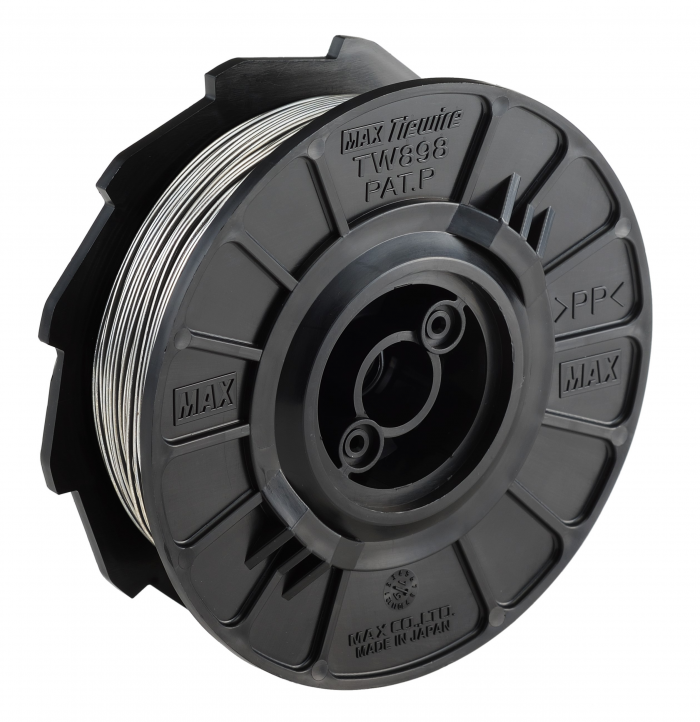
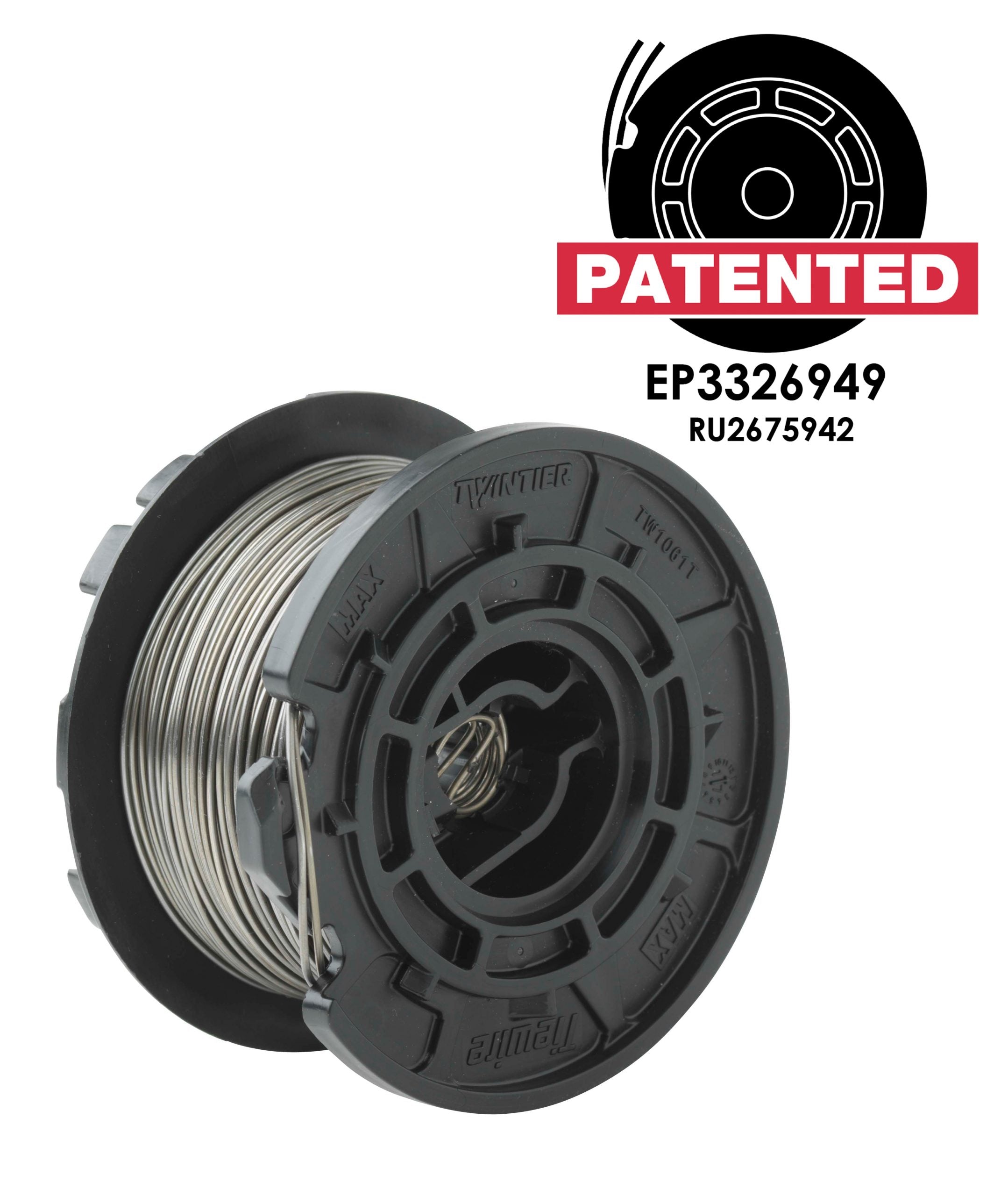
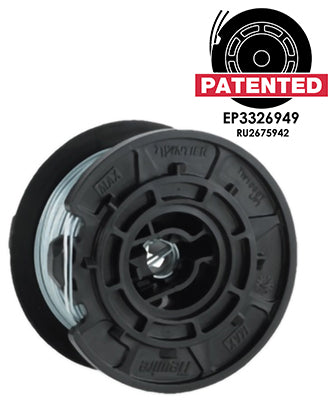
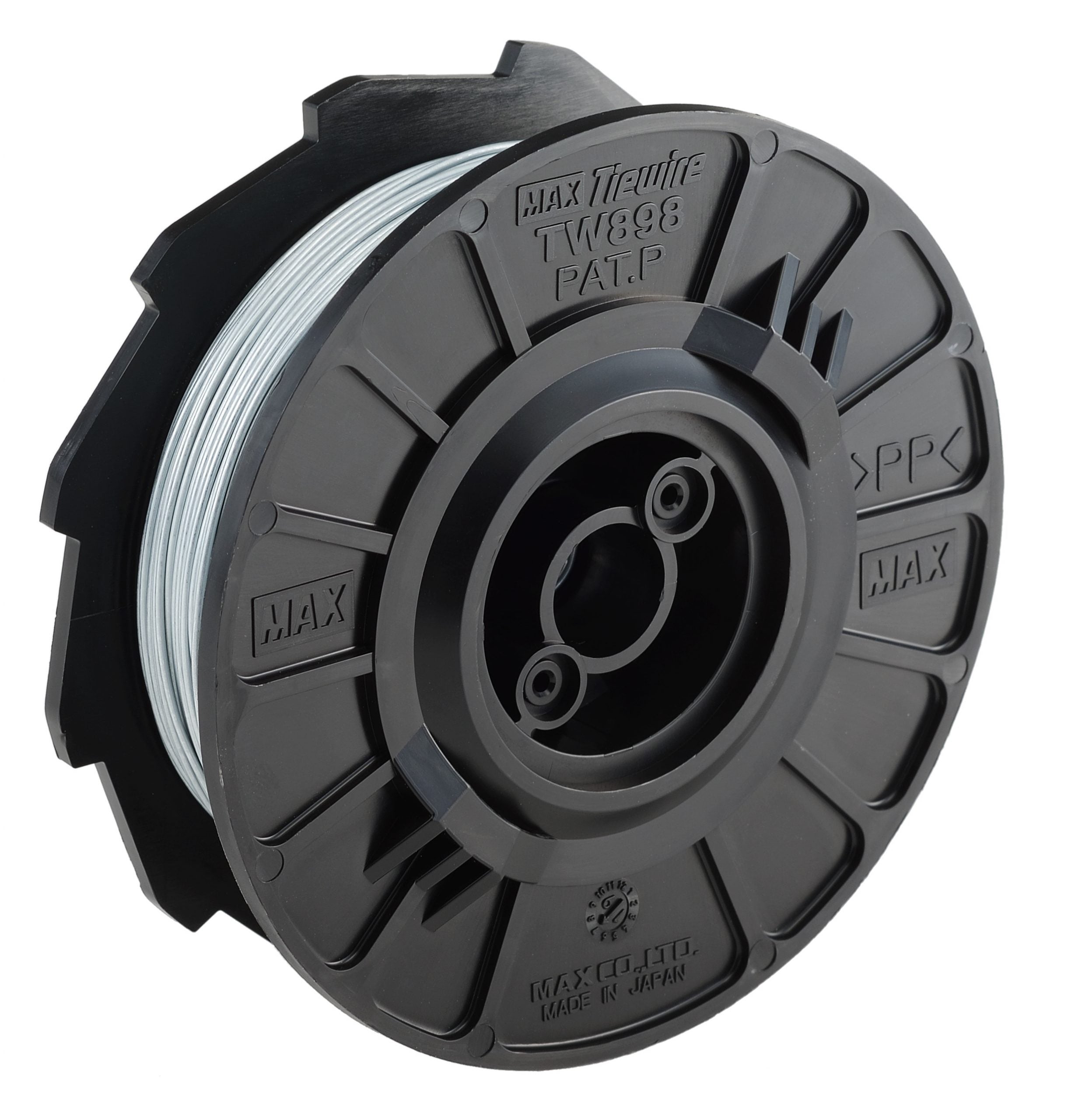
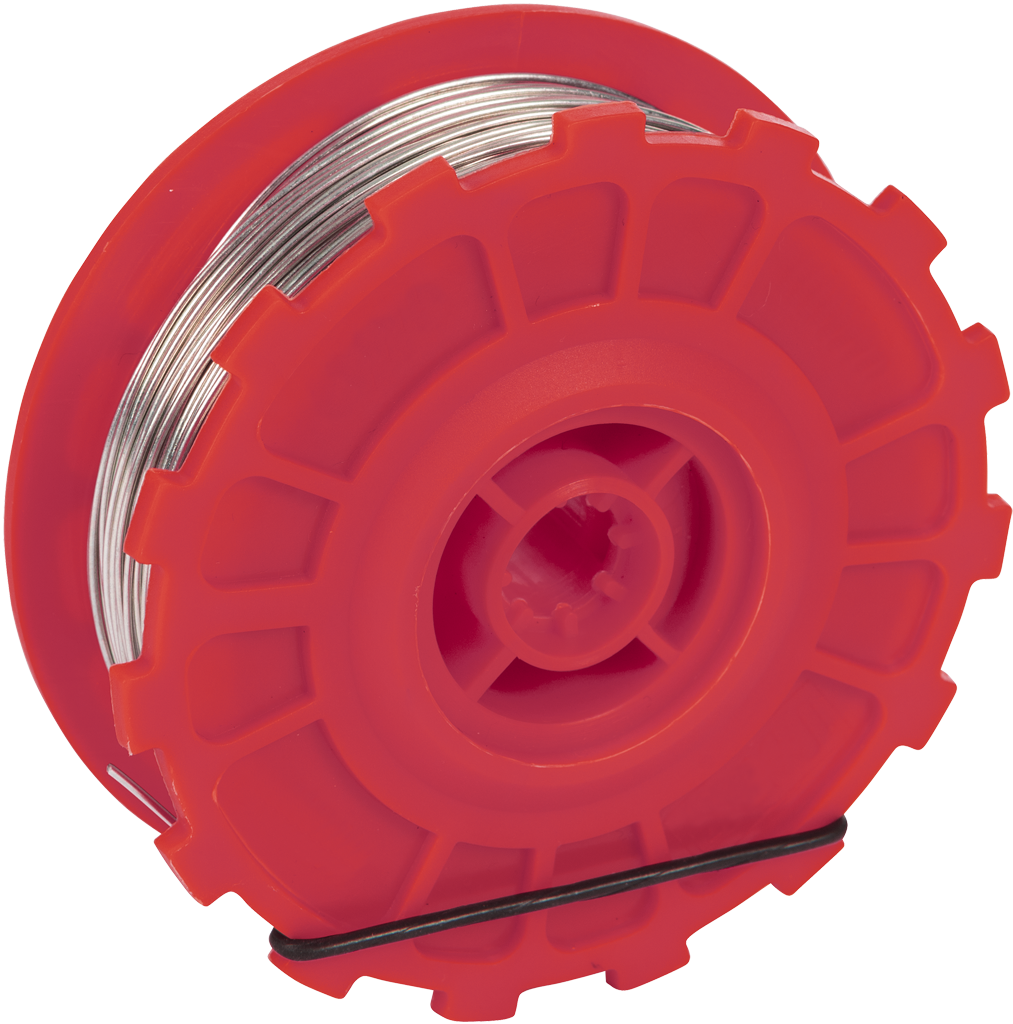
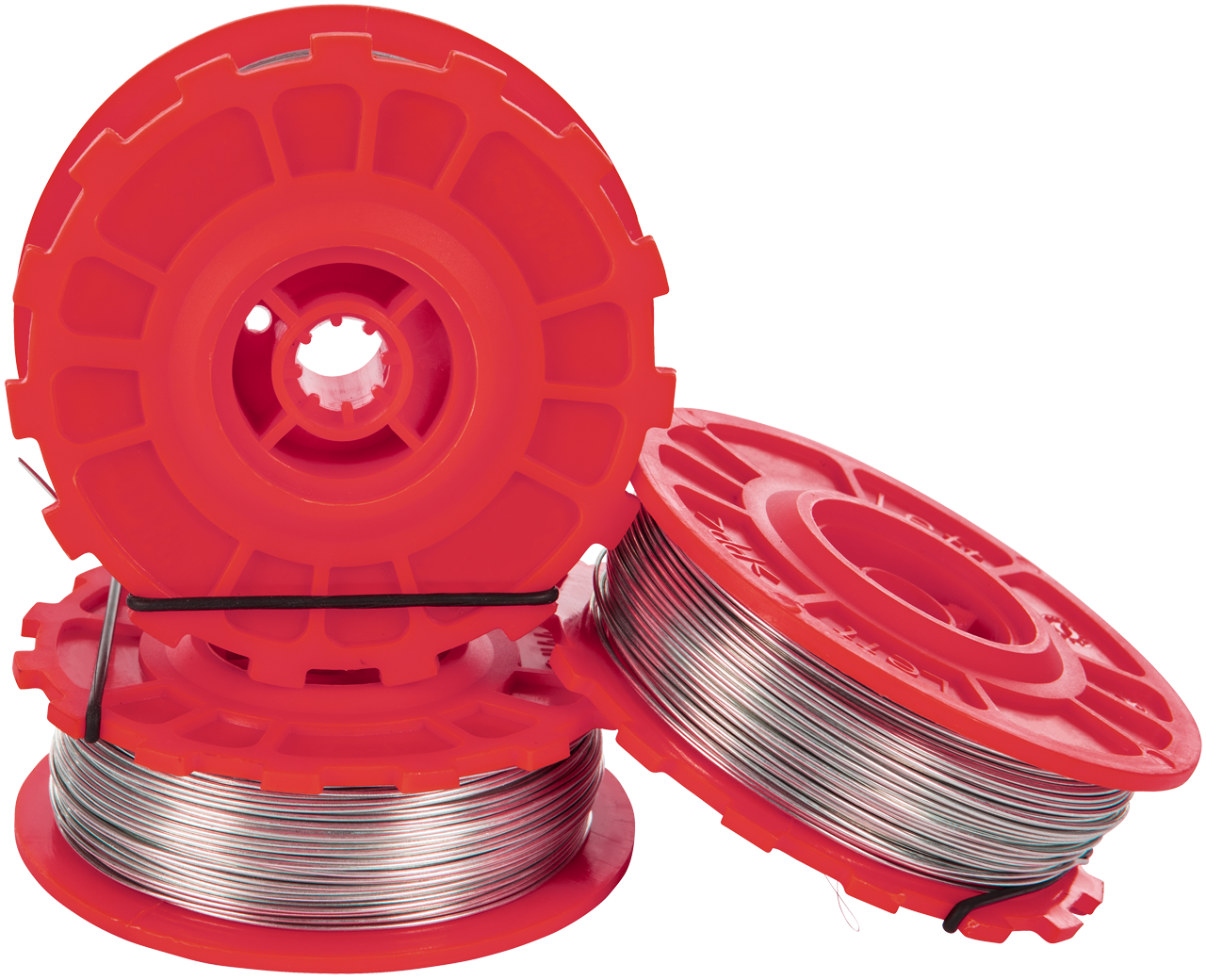
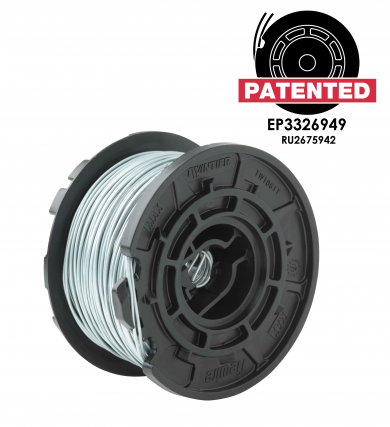
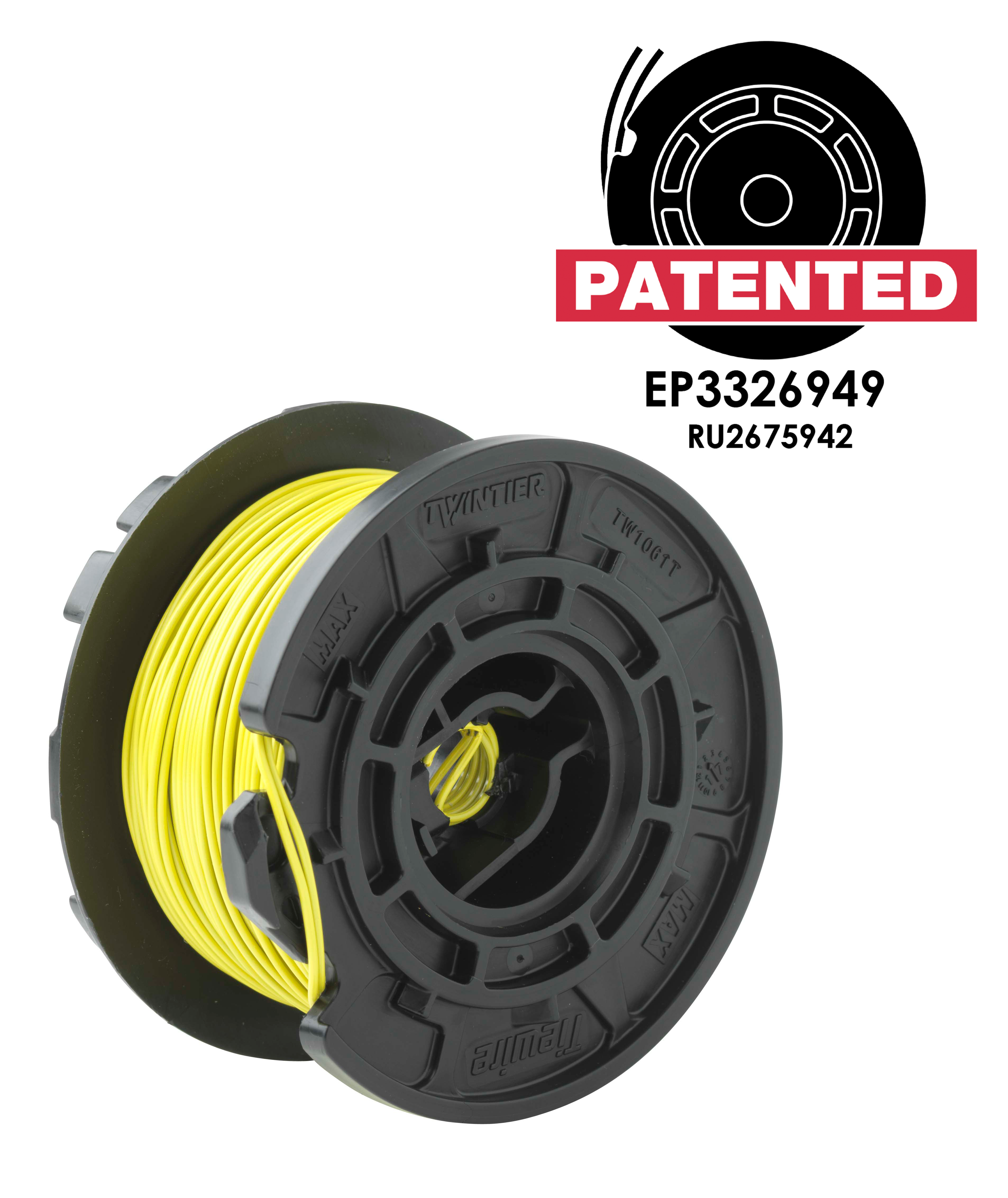
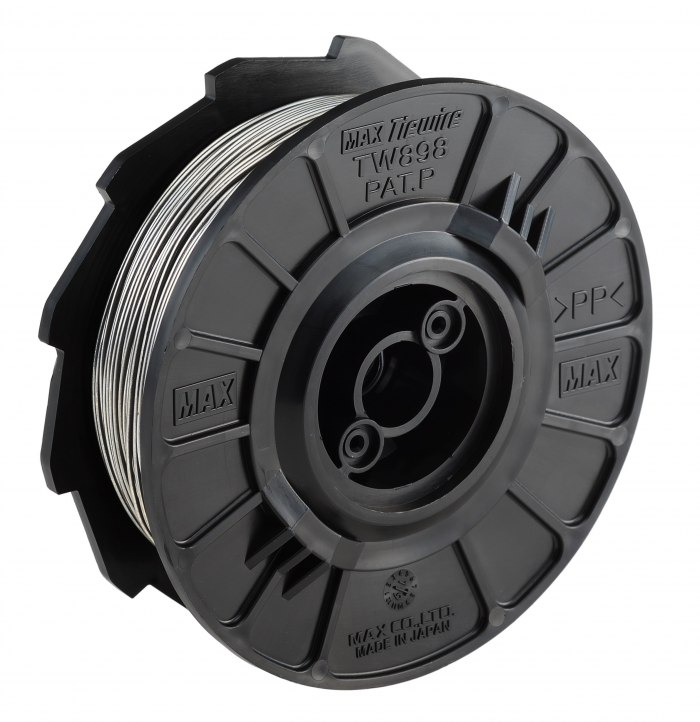
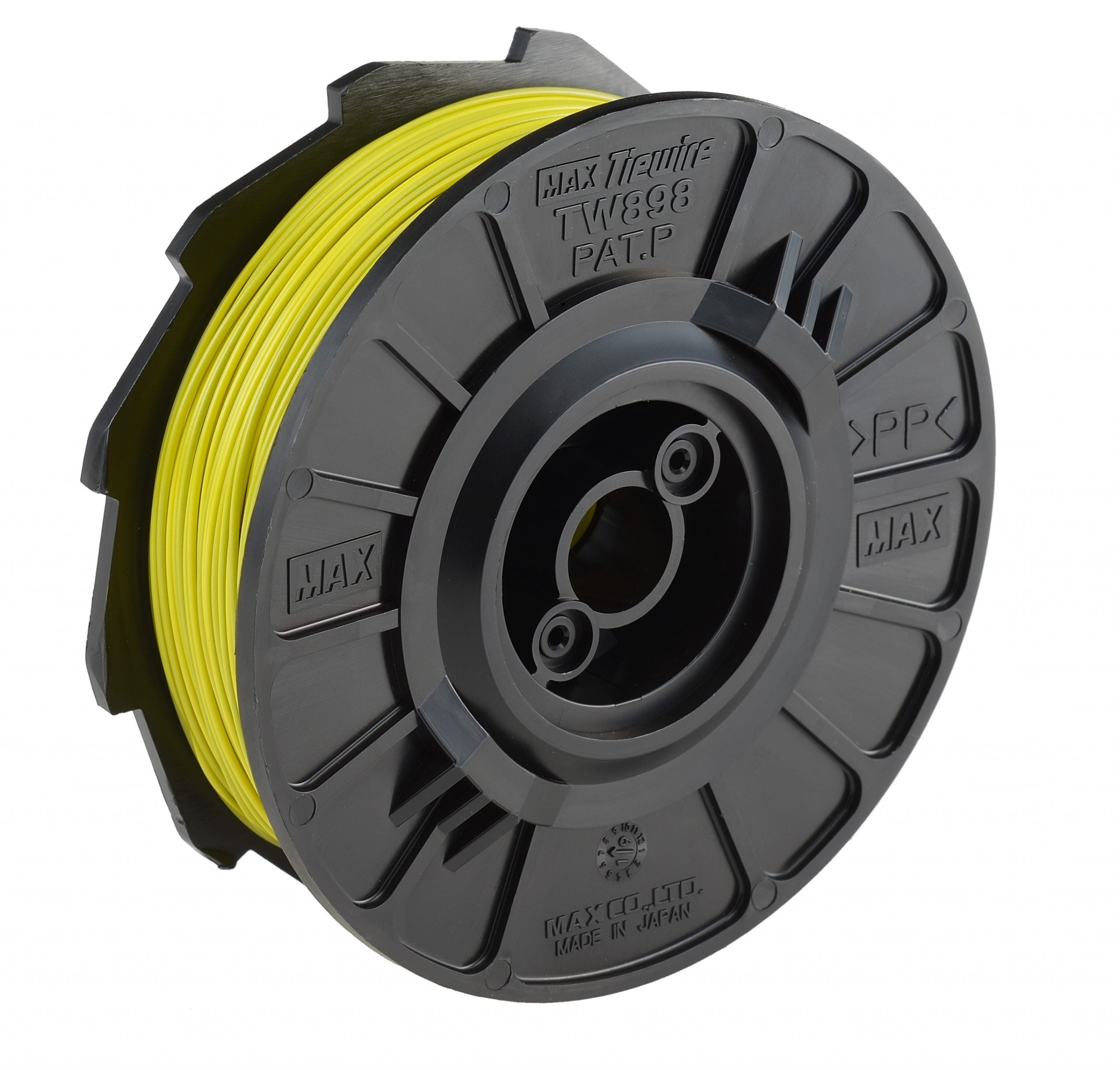
Our range of rebar wires are manufactured for dependable performance in demanding construction environments, from foundations and slabs to columns and beams.
Built for Steel Fixing Professionals
Choosing the right rebar tying wire ensures reinforcement cages remain correctly positioned, preventing movement and maintaining concrete cover. Each reinforcement tying wire option in our collection is engineered to reduce fatigue while increasing productivity, in a variety of environments.
- Flexible, high-quality tying wires for fast, clean twists
- Available in multiple diameters to suit different bar sizes
- Produced in different materials for various working environments
- Supplied in coils for efficiency
- Suitable for use with automatic tying tools
If you require a solution compatible with modern rebar tying tools, our range supports consistent results.
Typical Applications
- Reinforcement grids for concrete slabs
- Columns, beams and foundations
- Precast and in-situ concrete work
- Civil engineering and infrastructure projects
Professionals rely on dependable wire for rebar tying to maintain alignment throughout the pour process.
Choosing the Right Rebar Tying Wire
| Finish | Typical Use | Key Benefit |
|---|---|---|
| Annealed steel | General reinforcement work | Flexible and easy to tie |
| Electro galvanised | Outdoor or humid environments | Improved corrosion resistance |
| Stainless steel | Harsh or highly corrosive environments | Maximum durability |
| Plastic coated | Protected reinforcement applications | Added protection and longevity |
Why Buy Rebar Tying Wires from ProNailers?
- High quality for site reliability
- Consistent strength and flexibility
- Compatible with a wide range of automatic tying tools
- Fast UK & worldwide delivery and expert support
Fix with Confidence
Ensure every reinforcement grid stays exactly where it should with industrial rebar tying wires built for construction demands. Shop Rebar Tying Wires Now – Secure reinforcement, stronger structures.