Pneumatic Components

31 products

Showing 25 - 31 of 31 products

Showing 25 - 31 of 31 products
View
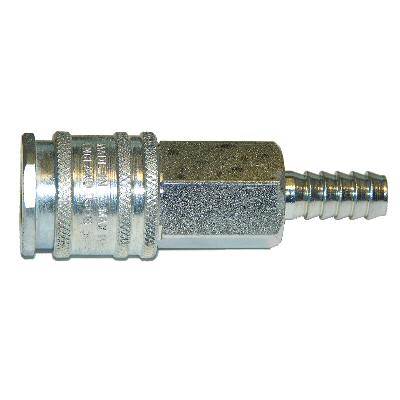
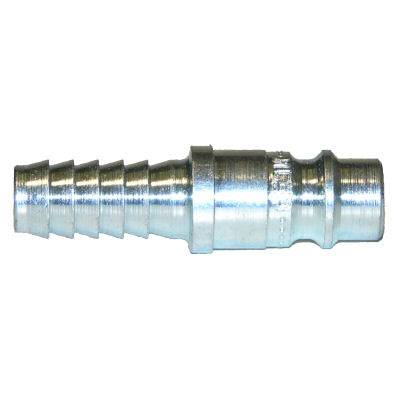
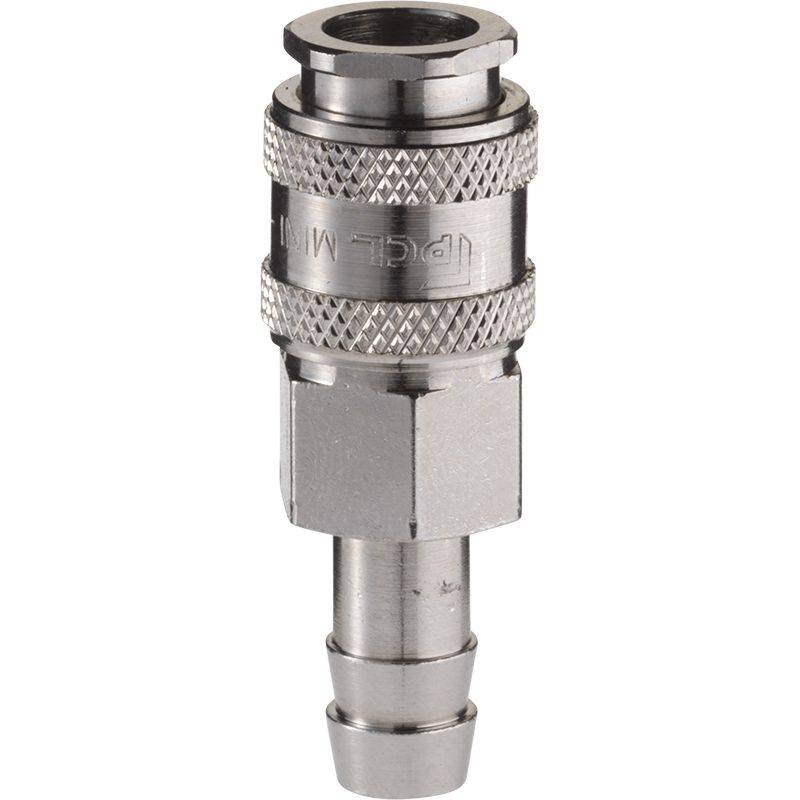
PCL Coupling for 8mm Hose Tail - ProNailers
Sale price£12.95Inc.VAT

£10.79Exc.VAT
PCL Coupling for 8mm Hose TailPCL
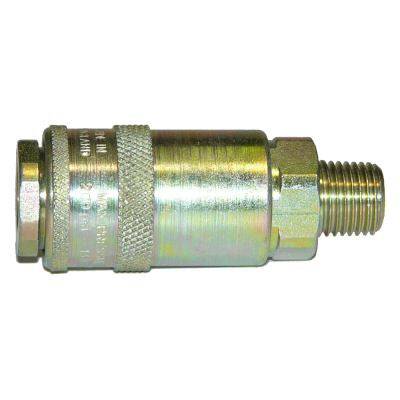
PCL Coupling 1/4" Male - ProNailers
Sale price£12.95Inc.VAT

£10.79Exc.VAT
PCL Coupling 1/4" MalePCL
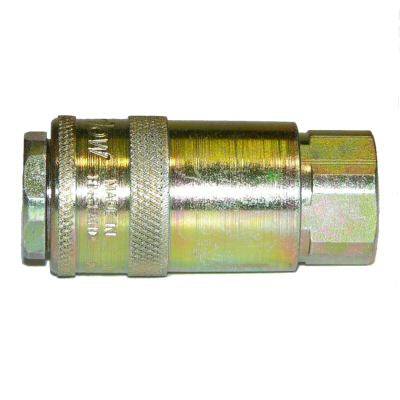
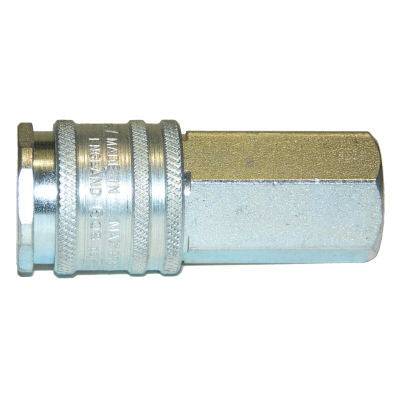
PCL Coupling 1/4" Female - ProNailers
Sale price£12.95Inc.VAT

£10.79Exc.VAT
PCL Coupling 1/4" FemalePCL
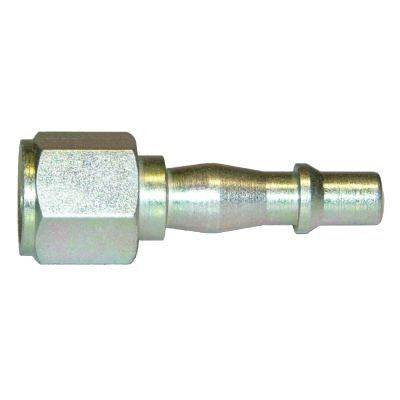
PCL Adaptor 1/4" Female - ProNailers
Sale price£3.95Inc.VAT

£3.29Exc.VAT
PCL Adaptor 1/4" FemalePCL
Hi Flow Coupling for 8mm Hose Tail - ProNailers
Sale price£12.95Inc.VAT

£10.79Exc.VAT
Hi Flow Coupling for 8mm Hose TailGeneric
Hi Flow Coupling 1/4" Female - ProNailers
Sale price£12.95Inc.VAT

£10.79Exc.VAT
Hi Flow Coupling 1/4" FemaleGeneric
Hi Flow Adaptor for 8mm Hose Tail - ProNailers
Sale price£2.95Inc.VAT

£2.46Exc.VAT
Hi Flow Adaptor for 8mm Hose TailGeneric

Frequently Asked Questions

How do I choose the correct hose size for air line components?

The hose diameter should match the diameter of the components being used with it and the required air consumption of the tool being used. Smaller diameters can restrict airflow, particularly when using high-demand equipment or long hose runs. If a tool feels underpowered despite correct compressor settings, the hose size may be limiting performance. Selecting the appropriate diameter helps maintain consistent air flow and reduces pressure loss.

What are the most important components of pneumatic system setups to check when airflow problems occur?

Start by inspecting couplings, adaptors, hoses, and connectors for restrictions, leaks, or damage. Even a small air leak can reduce tool performance and increase compressor run time. Worn couplings and poorly fitted connections are common causes of pressure loss. Regular inspection of connection points can often resolve airflow issues without replacing major equipment.

When should I choose Hi Flow rather than standard pneumatic accessories?

Hi Flow fittings are generally preferred when using equipment that requires a higher volume of compressed air. They allow greater airflow through the connection, helping reduce restrictions between the compressor and the tool. This can be particularly beneficial when operating larger or more demanding equipment. Before upgrading, it is important to ensure all connected fittings are compatible with the chosen system.

How can I ensure different pneumatic parts are compatible with each other?

Compatibility depends on thread type, connection style, and hose diameter. Before purchasing new fittings, check the size and specification of both the existing equipment and the replacement component. Mixing incompatible standards can result in poor sealing or an inability to connect components correctly. Verifying specifications in advance helps avoid unnecessary downtime and additional costs.

Why are quality pneumatic system components important for tool performance?

The performance of an air-powered tool depends on the entire air supply setup, not just the tool itself. Poor-quality hoses or fittings can create airflow restrictions, pressure drops, and connection failures. Reliable components help maintain stable operating pressure and reduce the risk of unexpected interruptions during work. A properly configured setup can also improve efficiency and extend the service life of connected equipment.

Recently viewed